Flight School

with Tony

  • About
  • Blog
  • Site Search
  • Subscribe
  • Images
  • Contact
What does the small, historic town of Novello have to contribute to the wine world? One thing is for sure, it is making its mark in a region where Barolo is king. Image credit: Nascetta Story Blog

What does the small, historic town of Novello have to contribute to the wine world? One thing is for sure, it is making its mark in a region where Barolo is king. Image credit: Nascetta Story Blog

Fun to Say, Fun to Drink: Nascetta

May 29, 2018 by Tony Ambrosini

Back when I had just started to study wine, the opportunity to help at a large scale distributor/ importer tasting came up. I figured, "What the heck? It should be a great way to brush up on my wine presentation skills AND perhaps find some time to taste through some wines myself." So I would stand behind a table of wines that were assigned for me to pour and talk about important details that stand out in each product...for four consecutive hours. 

It was no easy task at first, where I managed to break a cork while opening a bottle of Abbazia di Novacella Praepositus Pinot Nero, but I didn't let a little thing like that stop me. I continued on, keeping up the illusion of being completely unfazed about the fact that I may have ruined a $50 bottle of wine. Over time, I would repeatedly go back to pour for Vias Imports, and each subsequent tasting I got better at keeping things flowing smoothly.

The wine that wowed me.

The wine that wowed me.

Of course, I also got to taste an increasing amount of Italian wines (that was about 90% of Vias Imports portfolio at the time). One that I encountered was nothing that I ever tasted before: an Anas-cetta from the Piedmont producer Elvio Cogno. It was like Thanksgiving in a glass. There were savory flavors and aromas like rosemary, sage, and thyme. It was a little floral and lemony on the nose. It finished dry and refreshing with a stones and minerals on the palate. So cool!

If dropping $25-$30 on a bottle of nearly extinct wine isn't your thing, $14 for this one will give you a great introduction to Nascetta!

If dropping $25-$30 on a bottle of nearly extinct wine isn't your thing, $14 for this one will give you a great introduction to Nascetta!

Then I learn that the Anas-cetta (a.k.a. "nascetta," pronounced nah-SHET-uh) is a white grape that was rescued from extinction in its native town of Novello, near Barolo. Nascetta had been a headache for growers since crop sizes tended to be irregular (and more frequently than not, very small yielding). However, the upside to working with the grape was full-bodied, concentrated, aromatic wines that can work in stainless steel fermentation tanks (to preserve fruitiness and aromatics), or wooden ones (with gentle oxidation taking place leading to mouth-filling wines). Once World War II came along, Piedmont and many other regions had to focus on higher-yielding grapes like Cortese to quickly rebuild the wine industry and Nascetta was all but doomed.

Then in the 1990s, renewed interest in the variety came from Giacomo Bologna and Elvio Cogno, the latter tasting some wines that were bottled in the 1980s and being captivated by the complexity of the wine. It was time to get to work in restoring Nascetta's place among the great wines Piedmont. By 2002, "Langhe Nascetta" became a recognized appellation and its fortunes were reversed. Today, there are some who think Nascetta has a chance to go from great to special, and I can understand why when I tasted Cogno's example back in 2010.

Now, let it be known that wines made from Nascetta will be on the pricier side, but they are worth it when you can find them. Fortunately, if you have access to the wines of 90+ Cellars, you can try a Nascetta for about $14. The floral notes come through as well as a lemon curd flavor on the palate that I really liked. The Cogno example hits $25 or more. Either way, both are terrific. If you want to track down the Cogno wine, feel free to ask your retailers if they have access to the Wilson Daniels portfolio of products; they should be able to order the wine for you.

So give it a shot! If you like to try and pick out layers of flavors from a complex wine, Nascetta is definitely for you. If you are looking to branch out from Pinot Grigio, Chardonnay, and Sauvignon Blanc, you can lean on Nascetta as an outstanding alternative that is worth your time and money. 

May 29, 2018 /Tony Ambrosini
Langhe, Nascetta, Piedmont, Italy
Comment
What does this tea room have to do with booze? Read on to find out! Image credit: Fairmont Empress

What does this tea room have to do with booze? Read on to find out! Image credit: Fairmont Empress

Empress Gin: A Colorful Blast From The Past

May 07, 2018 by Tony Ambrosini

Over a decade ago, The Greatest Wife In The World and I embarked on a trip that, in my mind, would not fail to disappoint. We flew out to Seattle to introduce ourselves to the city and depart for a cruise to Alaska, stopping at various points along the northwestern Pacific coastline. While I would love to spend time professing my love for Seattle's food and beverage scene or the amazing sights of Alaska, I am actually going to fill you in on a port visit that we did not spend a ton of time in: Victoria, British Columbia.

You see, one of the port excursions involved a trip to the Fairmont Empress Hotel to have tea, an experience it has provided since 1908. It sounded like a good way to get a change of scenery, so we were in. We were seated at a table with an older couple from Texas, and let me tell you...it was a great time. Sitting in a fancy room, sipping tea (we had a choice of many types) and nibbling finger sandwiches and appetizers...some high class all the way! We also took home the Fairmont's Signature black loose tea blend. Little did I know that here in the little New England village where we call home, I would recently encounter this tea again, only not in the form that I would have expected.

I stopped by Divine Wine and noticed a bottle on the counter behind the register where we keep special orders. I asked the boss what it was, and he handed it to me. What the hell was this? The liquid inside was a striking blue-purple hue (not a synthetic Windex blue or a Welch's grape juice purple). Is this some gimmicky liqueur? Then I read the label: "Empress 1908 Gin."

I was taken aback to find out this was a gin. Then I looked in greater detail: "Distilled and bottled by Victoria Distillers, Victoria, British Columbia." I asked the boss who found this/knows about this/where did it come from? It turns out a customer absolutely swears by this gin and asked if we could get it...so we did. Then I start reading the mini-pamphlet around the bottle's neck and realize that the Empress 1908 Gin takes its name from the Empress Tea blend we sampled from the Fairmont hotel. The tea is one of the eight organic botanicals used in producing the gin. How about that?

But what about the color? Well, that comes from this little beauty right here:

Image credit: Wild Hibiscus Flower Company

Image credit: Wild Hibiscus Flower Company

This is the butterfly pea flower. This is THE ingredient that is infused into the gin to make that color that almost doesn't seem to exist in nature, and yet...it does. I have to admit, I am all for a little clever marketing with fancy colors if it is not some artificial garbage standing in the way of a good spirit.

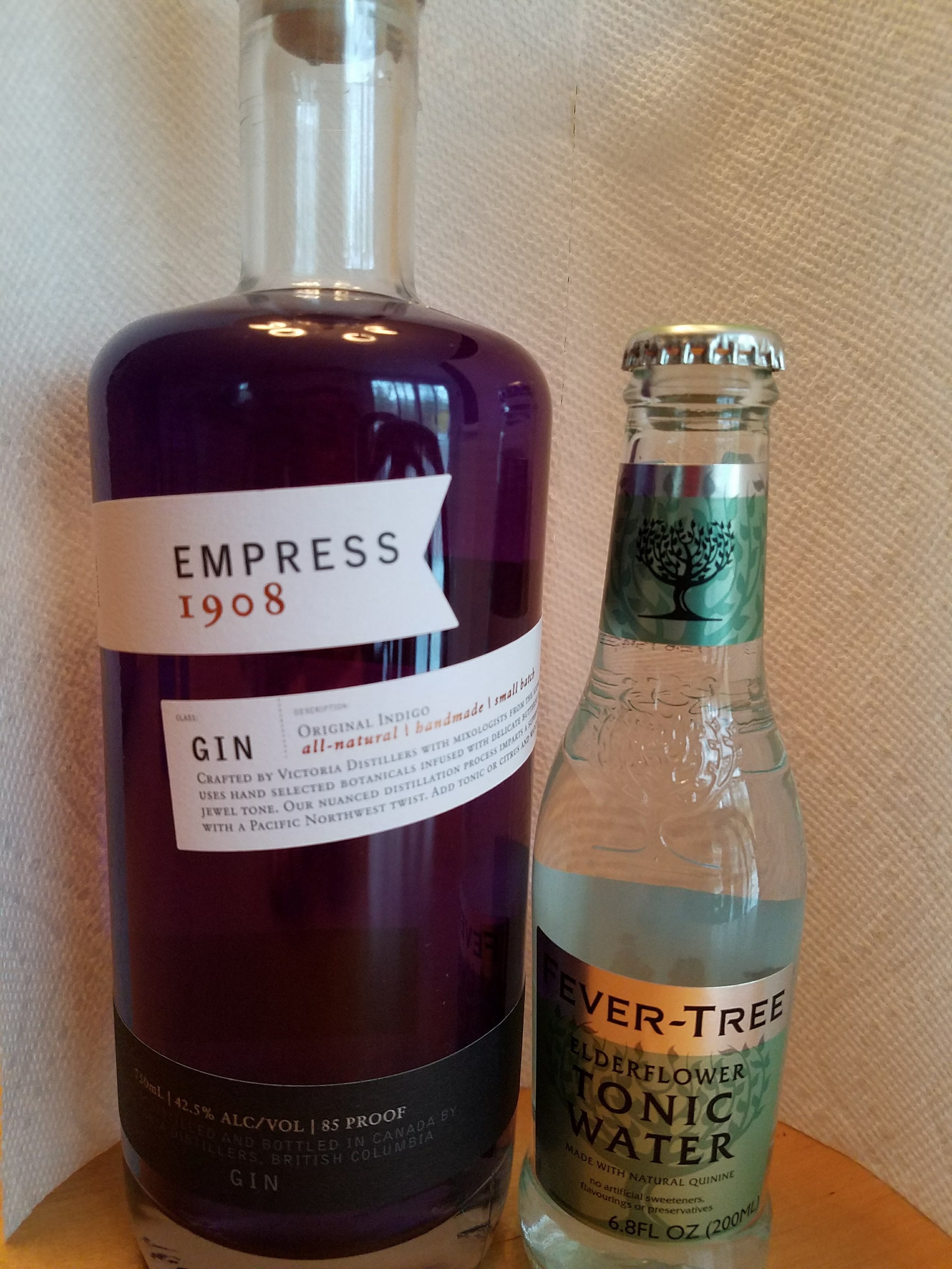
So the timing was such that I was able to pick this up for The Greatest Wife In The World's birthday gift and we recently gave the Empress 1908 Gin a whirl. We kept it very simple with the two ingredients below (with ice and a small squeeze of lime):

20180506_153545.jpg

Let me tell you...this is some good stuff. Flavor-packed and grapefruit-forward, the Empress has plenty of juniper to appease the traditional gin drinker, but some ginger and cinnamon (each is part of the botanical recipe) to provide something a little different. It's a fragrant gin where the grapefruit definitely doesn't quit...a slice of grapefruit would be a fine garnish. The addition of citrus or tonic will also change the color to different shades of purple or pink depending on how much of those ingredients you add to the cocktail. From a flavor standpoint, I think the most impressive part is the use of corn-derived base spirit; a lot of corn-based spirits can have a full, sweet flavor that I would have imagined could interfere with the floral and spicy botanicals, but it was lighter and more refreshing than I expected and no perceptible sweetness (side note: wheat-based spirits tend to give you a soft, clean base that really allows the botanicals to shine through clearly).

The Empress is one you can have a lot of fun experimenting with on your own, but this is a really nice Mother's Day gift (assuming Mom likes her gin). This will cost you around $40 for a 750mL bottle. Get to know more about Empress Gin here.  This is absolutely worth it if you can find it in your market. If not...have your retailers pester their distributors to get it on board.

May 07, 2018 /Tony Ambrosini
Gin, British Columbia, Canada
Comment
How much does a wine's vintage really matter? Image credit: The Drinks Business

How much does a wine's vintage really matter? Image credit: The Drinks Business

Does Vintage Matter? Make It Matter To You

April 27, 2018 by Tony Ambrosini

One of my goals when I write posts is to get you more connected to wine and spirits. Obviously, if you are reading my articles, you like to drink a good beverage and want to know more about what you just gave your liver to process. However, it's good to establish a real connection with your wines and spirits to gain an appreciation for them.

If you are one to pick up a publication like Wine Spectator, Decanter, or something along those lines, you will recognize a bunch of topics that are frequently discussed. The concept of terroir generates a lot of debate. "Rosé All Day" is a mantra meant to get you to enjoy dry pink wines all year round. However, the number one topic enthusiasts, experts, and retailers obsess over is vintage.

By the way, all the term "vintage" means is the year the grapes were harvested to make the wine in the bottle you purchased. That's it. Yet, vintage is a drum that gets beaten consistently, because every vintage experiences different weather conditions from its predecessor. Things like number of sunny days, rainfall, wind, and timing of these conditions in the growing season can all impact the health of wine grapes and the grapevines themselves. Each vintage will show different characteristics in the finished wines. For (very general) example, dry, sunny years give lots of potential alcohol and ripe fruit flavors. Rainy years might lead to lean, acidic wines. Cloudy years lead to green/unripe flavors. Hot years may show very little acid and full-bodied wines.

The majority of wines that hit the market are going to be drinkable, no matter what the vintage is. 95-98% of what you see is meant to be consumed within the first couple of years of the vintage. The remainder is built for long-haul aging in a cellar, and vintage matters a lot in this case. In order for a wine to go on and develop more interesting flavors over time, you need alcohol, acid, fruit concentration, tannin (in the case of red wines), and residual sugars (frequently needed in sweet white wines, but also important for Port). All of these elements help preserve a wine.

Wines made from Nebbiolo are great for cellaring; they are loaded with acid, tannin, alcohol, and fruit concentration. Talking to people helped me land these for my own cellar.

Wines made from Nebbiolo are great for cellaring; they are loaded with acid, tannin, alcohol, and fruit concentration. Talking to people helped me land these for my own cellar.

Now, I have a question for you: does any of what I wrote matter to you? If it does, cool. Find some wines ready to throw into your cellar. Barolo, Bordeaux, and Brunello are all suitable examples for you. If the answer is "no," that's good, too. You don't have the time to wait, or those styles of wine aren't your thing. You like dry unoaked white wines, such as Sauvignon Blanc or Arneis? Make sure you aren't buying a wine whose vintage is more than two years old. Same thing applies to rosé wines as both will lose the vibrant fruit with time.

Another approach: use the vintage to make the wine buying experience more personal. For our 10th wedding anniversary, The Greatest Wife In The World and I enjoyed a 2006 Brunello together a couple of years ago. This year, I picked up a 2008 Rioja Reserva for good friends celebrating their 10th anniversary. Here's something else for you: I recently found out the 2016 Port vintage is about to be a "declared vintage" (for more on what that means, see my Port guide! ). This means all three of my sons were born in Vintage Port years. I am buying a bottle from each vintage to enjoy when they turn 21; whether or not I include them in the drinking portion remains to be seen. Additionally, I already have a 2007 Barolo and 2011 Barbaresco on hand, since The Greatest Wife In The World is not a sweet wine fan, and we both adore Italian wine. In the coming months and years, get ready for the 2016 wines with aging potential to become available.

Certainly, doing some web research can help with your quest to find the right wine, but visiting your local wine shop and talking to the fine folks there, they can help you find a bottle in store or track it down through their distributors. Make vintages work for you, whether you are looking for a youthful/fresh/lively wine or one that can mature and go down velvety smooth. Need a handy-dandy vintage chart? Use this guide to help you. Note that all of what I discussed is simply a guide and not a hard-and-fast rulebook.

Of course, if you really get stuck, then please...reach out to me! I'm happy to get you turned on to a great wine from any vintage and price bracket. Make the vintage special to you.

April 27, 2018 /Tony Ambrosini
Rosé, Nebbiolo, Bordeaux, Barolo, Barbaresco, Piedmont, Arneis, Sauvignon Blanc, Port
Comment
Image Credit: Toluna

Image Credit: Toluna

It's International Whisk(e)y Day!

March 27, 2018 by Tony Ambrosini

Greetings! Remember me? I used to be a regular writer here, but dammit if life doesn't get in the way of an occasional post. What better way to push the reset button than to celebrate a wonderful unofficial holiday such as the one that takes place every March 27th: International Whisk(e)y Day!

This man's work made a major impact on my interest and study of whisk(e)y. Tonight, I will raise a glass to you. Image credit: International Whisky Day

This man's work made a major impact on my interest and study of whisk(e)y. Tonight, I will raise a glass to you. Image credit: International Whisky Day

Some of these national or international "days" of the year can be fun. World Theater Day is today, and coincidentally (or not), one of my sons is indeed going to see The Cat in the Hat for a school trip. Others are silly; today is Spanish Paella Day. While delicious...I was always under the impression that paella is inherently a Spanish dish. Eh...no matter. These things are always in good fun.

As it turns out, there is some significance behind launching International Whisk(e)y Day. Michael Jackson, the acclaimed British beer and whiskey writer, passed away at the age of 65 in 2007 after battling Parkinson's Disease for roughly a decade. In honor of the impact he made on the beverage industry, his contemporaries launched International Whisk(e)y Day to raise a glass to their fallen friend. (Note that the web link reflects 2017, but the goals are still the same). The idea is not only to purchase a bottle of whisk(e)y or a dram of your choice at a drinking establishment, but to also donate to charity. The most prominent cause on the organization's web site is Cure Parkinson's, though helping the charity of your choice is encouraged as well.

It's a simple concept where everyone wins. I have covered the subject a lot recently due to the volume of classes I have been running (and no...this blog is not morphing into whisk(e)y-only conversation), so you should have plenty of options at your disposal (use the handy-dandy site search feature above!). Of course, if you encounter something new, don't be afraid to try it. There is a lot of great stuff available: inexpensive to luxury, ubiquitous to rare, and from all parts of the world.

So what'll it be for you today? I would love to hear what you are drinking today. Feel free to leave comments here or on any of my social platforms. I'll be joining you with a yet-to-be determined dram. Michael Jackson's books and articles helped me understand the dizzying array of beer and whisk(e)y styles available, thereby allowing me to speak intelligently on the topic in the alcohol industry. I raise a glass to the gentleman tonight. Cheers!

March 27, 2018 /Tony Ambrosini
whisky, whiskey
Comment
Jameson may dominate the Irish whiskey landscape, but don't forget about some of these other beauties!

Jameson may dominate the Irish whiskey landscape, but don't forget about some of these other beauties!

You Need These Irish Whiskeys

March 10, 2018 by Tony Ambrosini

It's been a loaded week for me. Aside from making sure my three sons weren't bludgeoning one another while being trapped inside during a winter storm, there was a lot to work on when it comes to promoting good alcoholic beverages. On Thursday, I had a great time diving into the subject of Irish whiskey, a seemingly forgotten category that sits in the background behind Scotch and Bourbon.

When you look in greater detail though, you will discover that Irish whiskey sales have grown 20% every year for the last 20 years. Jameson is the iconic brand that the masses tend to associate with Irish whiskey. It's a testament to their marketing and branding, which has paved the way for other brands to grow in the U.S., but at the same time it overshadows some of the boutique and craft producers that have emerged recently. The goal of any of my spirits classes is to adjust your frame of reference. Not all Irish whiskey tastes as Jameson Original does: light, clean, vanilla flavor with a touch of green apple and spice, filtered and bottled at 40% abv.

There is a movement to bottle Irish whiskey unfiltered and at higher strength to show the true character of what was distilled and aged. You will be surprised at what you will find if you just look for it. On Thursday, we sampled six whiskeys, along with Jameson Original to use as our point of reference for the evening. With St. Patrick's Day coming up in one week, here are some whiskeys to grab to celebrate. Just do me one favor...when St. Patrick's Day is over, don't forget about these. The flavors and aromas can be enjoyed all year long.

As always, retail prices are approximate:

The Pogues Blended Irish Whiskey ($36): A blend of 50% malt whiskey aged in Bourbon and Oloroso Sherry cask and 50% grain whiskey aged in Bourbon cask, this is a smooth, easy-drinking whiskey with a nice combination of fruitiness, nuttiness, and spice. The name does indeed come from the 1980s/1990s band, which collaborated with West Cork Distillers to produce this whiskey.

Tipperary Watershed Single Malt Irish Whiskey ($60): This farm has grown barley for quite some time, but now Tipperary is in the midst of constructing their own distillery. In the meantime, they created this single malt using six casks from West Cork, which is blended and cut with the local water on Ballindoney Farm. Richly textured, yet lively, ripe tropical fruits, vanilla, and honey butter make this exceptionally satisfying with a long, creamy finish.

Teeling Single Malt Irish Whiskey ($55): John Teeling left a lasting impact on the Irish whiskey industry with his innovation and ability to keep small producers alive. His sons, Jack and Stephen started this distillery in 2012, the first new distillery in Dublin in 125 years. Their single malt is aged in various casks, (including Port, White Burgundy, and Madeira), non chill-filtered, bottled at 92 proof. Light in color, it is heavy on flavor with dried apricots, cinnamon spice, and chocolate.

Tullamore DEW Trilogy 15 Year Small Batch Irish Whiskey ($80): The Tullamore DEW brand has been around for a long time and survived many tumultuous periods. The Trilogy refers to three generations of the Williams family and the three casks (Bourbon, Sherry, and rum) used to aged this blended whiskey (made from malted barley, unmalted barley, and corn). The result is a silky-textured whiskey with lots of mango, papaya, and other exotic fruit flavors, along with roasted nuts, honey, and chocolate cream. The finish lingers with what seems like a new flavor each time you sip.

Connemara Original Peated Single Malt Irish Whiskey ($50): This is a rare breed as Irish whiskey is typically not peated, but John Teeling's brand from the Cooley distillery takes a page from Scotland with double distillation and a gentle peat addition (less than half of the average of a peated Scotch whisky). The peat smoke is heathery with a touch of honey, and it complements the baked apple pie and spiced granola flavors very well. Soft and smoky on the finish.

Redbreast 12 Year Single Pot Still Irish Whiskey Cask Strength ($80): The current release of the cask strength series comes in at a whopping 116 Proof, so this is packed with plenty of fire and flavor. Once you let the alcohol vapors subside, you are left with dried figs, candied pineapple, spiced cookies, and a lively citrusy lift that makes this whiskey very well-balanced for being bottled at cask strength. The addition of water opens up the entire savory spice rack: paprika, chili powder, coriander, oregano, thyme, and so much more. This is one to sip and savor.

March 10, 2018 /Tony Ambrosini
Irish, whiskey, Whisky
Comment
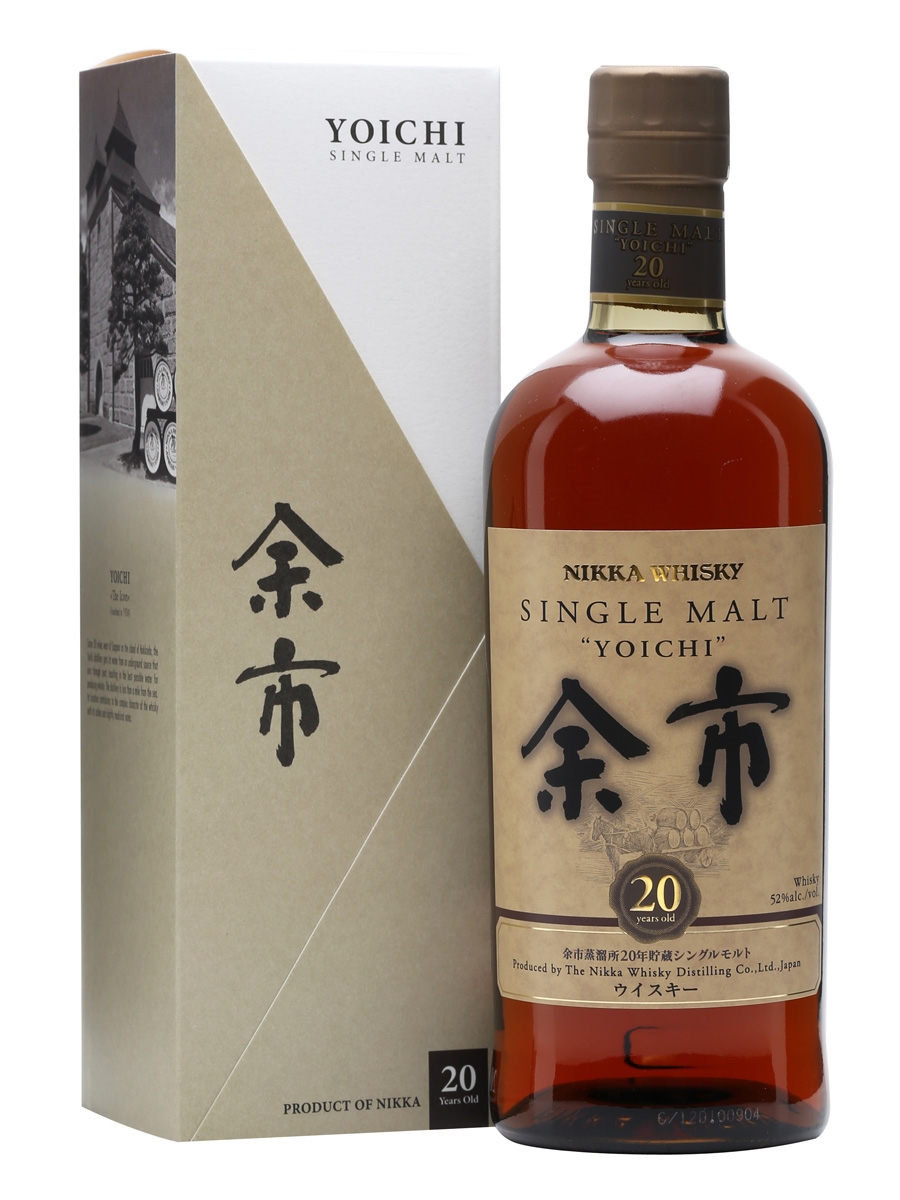
yoichi 20.jpg
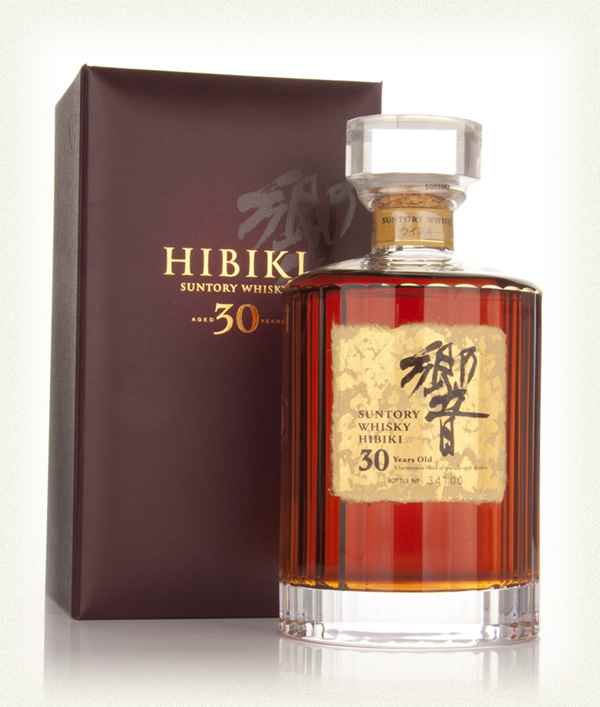
hibiki 30.jpg

Why You Should Drink More Japanese Whisky

February 19, 2018 by Tony Ambrosini

The two whiskies above took home major awards in 2008. How did Japan make its mark in an industry dominated by Scotland, Ireland, and the United States? Read on to find out more.

As you may know, I run a bunch of spirits programs at the store (which is in the running for Best Wine & Spirits Shop, by the way!) here in Connecticut. Along the way, I have had returning students provide feedback on what they would like to see in future classes. A frequent (and somewhat surprising) request was that I hold a course discussing Japanese whisky.

I said to myself, "Self...why not? We should have a nice response if we are getting that many folks looking to learn more about what Japan has to offer the whisky drinker." When I saw that two dozen fans of the topic signed up for the class, that just confirmed something that I have been thinking about for quite some time: Japanese whisky is an alcohol category that is real and deserves your attention.

The most amazing part of Japanese whisky is that it has only been commercially viable for less than 100 years. It all started with two men who laid the foundation for success: Shinjiro Torii and Masataka Taketsuru. Torii started an import company that focused on Spanish wines. He found that it didn't go over well, so he turned his attention to finding western-style liquors that would suit the local palate. In 1918, Torii sent Taketsuru to the University of Glasgow in Scotland to learn all he could about how Scotch whisky was made.

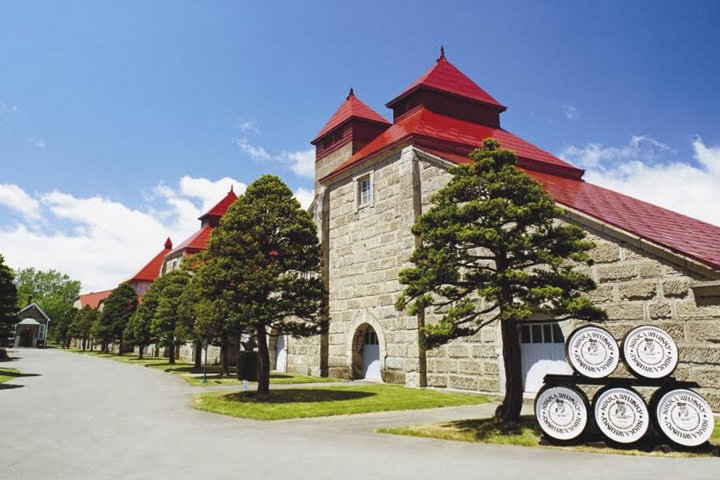
Yoichi was not built to be a Scotch whisky copycat, but rather in reverence to Scotland. 

Yoichi was not built to be a Scotch whisky copycat, but rather in reverence to Scotland. 

During Taketsuru's time there as a student, he also apprenticed at the Longmorn and Hazelburn distilleries. He returned to the Osaka area, married to a Scottish woman, ready to partner with Torii's company (that later became Suntory) to build the Yamazaki distillery in 1923. When the first product launched in 1929, it wasn't the successful product they had hoped it would be, leading to some philosophical differences and eventual split. In 1934, Taketsuru ventured off on his own to the northern island of Hokkaido, where he felt the environment most resembled Scotland's climate and could therefore emulate Scotch whisky in Japan. Taketsuru built Yoichi (which still stands today), which is part of the Nikka Whisky group that includes the Miyagikyo distillery. Taketsuru's goal to recreate Scotch whisky came true as today, Nikka makes a range of malt, grain, and blended whiskies that have won many awards, including best single malt whisky (Yoichi 20 Year) of 2008 in the World Whisky Awards.

Despite butting heads when it came to philosophy, these two provided the foundation for the good fortune Japanese whisky is starting to enjoy today. Image credit: Whizzky

Despite butting heads when it came to philosophy, these two provided the foundation for the good fortune Japanese whisky is starting to enjoy today. Image credit: Whizzky

Meanwhile, Suntory added Hakushu distillery to Yamazaki to increase its capabilities. Torii wanted to make whisky that would appeal to the Japanese palate with mild, delicate qualities and clarity of flavors (which you will certainly find in the Hibiki range). After Torii passed away, the company diversified into non-alcoholic beverages and holistic supplements and by 2014 purchased Beam Global (Jim Beam, and other brands) for US$16B. Suntory's Hibiki 30 Year blended whisky won best blended whisky of 2008 in the World Whisky Awards.

So 2008 was a major turning point for a country who endured World War II and subsequent recovery, high alcohol taxes on domestic production, the availability of cheap imported whisky (that cost less than what was being produced domestically), and an economic downturn in the 1990s. While Torii and Taketsuru took different paths, each stuck to his guns philosophically and each made his mark on the whisky industry that led to the influx of Japanese products we are seeing on shelves today.

Aside from the two major players of Suntory and Nikka, who are juggernauts producing many different styles and labels, there are also smaller distilleries, most of which were founded as sake breweries and shochu producers, making much smaller quantities of high quality whisky. These once part-time distilleries are seeing so much demand for their products, they are slowly evolving into full time, serious whisky players. This brings me to what we tasted in our class this past Thursday night. We chose six whiskies from the independent/small distillers to show students where Japanese whisky is today. Additionally, with demand through the roof for Japanese whisky, prices of the well-known larger brands from Suntory and Nikka are skyrocketing. I wanted to offer a lower barrier to entry for someone to get started in exploring Japanese whisky.

With the help of my friend and outstanding sales rep from Skurnik Wines & Spirits, we were able to put together an awesome lineup that generated a lot of discussion and enjoyment. You should be able to find many of the following products in your market, but as always if you don't...ask your friendly retailer if he or she can order one for you. Find a Japanese whisky that fits your budget and give it a shot...we have so many examples available that are worth seeking out.

iwai tradition.jpg

Mars Shinshu Iwai Blue Label ($36): This corn-based whisky shows some similarities to Bourbon with a mild sweetness. The whisky is aged for anywhere from three to eight years in different types of barrels to create an easy-drinking whisky that is a great base ingredient in cocktails. Pear, peach, and vanilla flavors with a subtle caramel sweetness on the finish.

Mars Shinshu Iwai "Tradition" ($54): Same distillery as the Iwai Blue Label, but now malted barley based and aged in a mix of Sherry, Bourbon, and "Wine" cask. Flavors and aromas are more pronounced with cherry fruit, honey, toffee, ginger, and a gentle smokiness. Spicy on the finish.

ohishi brandy.jpg

Matsui Shuzo Kurayoshi Pure Malt ($60): This is 100% malted barley, with whisky ages ranging from three to eighteen years in Bourbon casks. Soft texture with a fragrant nose of raisins, roasted nuts, and vanilla. This whisky is also available in a Sherry cask version.

Ohishi Brandy Cask ($66): Ohishi was traditionally a sake and shochu producer being located in the southern island of Kyushu, so their whiskies use rice as the base material. Distilled in stainless steel (rather than copper) pots, this leads to a silky-textured whisky that has spent three to 25 years in Cognac barrels. Bottled unfiltered, flavors of dried pineapples, fresh exotic fruits, and vanilla are complemented by delicate floral notes.

white oak ume plum.jpeg

Ohishi Sherry Cask ($66): Sherry wine definitely comes through on this whisky, so you fans of Macallan and Dalmore should be looking this way if you want to try something different. Dried figs, golden raisins, hazelnuts, and almonds come through with a tropical fruitiness that makes this incredibly enjoyable.

Eigashima/White Oak Distillery Akashi Ume Whisky ($37): This is a unique beverage that is almost like a ready-to-drink cocktail. Malt whisky is infused with green sour Japanese plums (a.k.a. "ume") and rock sugar, then married in barrel for six to twelve months. This can easily be poured over ice or mixed with club soda to make a refreshing drink. Additionally, this could be an interesting component of a Japanese take on an Old Fashioned or Whisky Sour.

February 19, 2018 /Tony Ambrosini
Whisky, Japan
Comment
As always, I get excited when I have the chance to talk about whisky.

As always, I get excited when I have the chance to talk about whisky.

What We Are Drinking In February

February 07, 2018 by Tony Ambrosini

Another round of brutal wintertime sickness put me behind the 8-ball once again when it comes to sharing some fun drinking info. However, a lot has developed behind the scenes where I am going to be busy in the month of February. This is thrilling for me as it will help me push through the rest of this awful winter with some tremendous events and classes.

If you are in Southeastern Connecticut, you won't want to miss these.

Frederick Wildman 2016 Burgundy Tasting (Trade only), February 8th

Frederick Wildman & Sons is an importer/distributor of fine wines, who will be hosting an event in Boston showcasing wines of Burgundy's 2016 vintage. Winemakers will be on-hand, so this will be a fun one. You will certainly get a report of the experience from me sometime next week.

Japanese Whisky Class at Divine Wine, February 15th

I will be launching a Japanese whisky session in the store's classroom from 7:00-9:00pm, featuring a range of whiskies acquired by Skurnik Wines & Spirits in 2017. More Japanese whisky products seem to be hitting shelves weekly as it is the fastest-growing whisky category at the moment. This course will expand on basic topics covered in my Whisk(e)y 101 sessions and take a deeper dive into what's happening in Japan. Just $20 per student. You can register by calling (860) 691-1053.

Wine 101 at Divine Wine, Begins February 21st

The Boss himself, Ken Turcotte, will be running his awesome wine foundation course over three consecutive Wednesday nights beginning February 21st, 7:00-9:00pm. Ken has delivered this course to over 1,000 students during the store's 15 years of existence. Taste wines and discuss all aspects of wine from field to bottle in a casual setting. Tuition is $100 for the three-week package, which includes study materials and wines. Call (860) 691-1053 to register and make payment.

Trimbach visits Divine Wine, February 22nd

We are in for a real treat later this month as Jean Trimbach of legendary Alsace wine producer Maison Trimbach, presents a range of wines in the Divine Wine classroom from 7:00-8:30pm. Trimbach has been making exquisite wines since 1626. This is one I am not going to miss. Absolutely FREE to attend, but you can buy wines at the end of the program if you like. Call (860) 691-1053 to RSVP.

February 07, 2018 /Tony Ambrosini
Japan, Whisky, Wine, Alsace, France, Burgundy
Comment
A beautiful cocktail for all seasons, what is it about the Negroni that I suddenly fell in love with? Image credit: Liquor.com

A beautiful cocktail for all seasons, what is it about the Negroni that I suddenly fell in love with? Image credit: Liquor.com

Classic Cocktails: The Negroni

January 23, 2018 by Tony Ambrosini in Classic Cocktails

Thank you all for bearing with me while I took the week off as I escaped the hell that is a New England winter to islands under the Eastern Caribbean sunshine. It was great to enjoy a break with my family, but it also turned out to be a time of reflection and self-evaluation. Part of looking inward meant new experiences as far as places I have never been to before, but also what my tastes and preferences are when it comes to my own consumption of tasty adult beverages.

You see, The Greatest Family In The World and I ventured to the islands via Disney Cruise Line (which I will sing the praises of at a later date...just know that the food, drink, service, and attention to detail is impeccable and I highly recommend doing it sometime). Among walking the main squares by the ports, enjoying the sandy beaches, and pictures with Goofy, there was plenty of time to get to the grown-up portions of the ship, notably Deck 4, which had all of the killer wines, spirits, and cocktails you could ever want. One of items that I saw on board in the lounges embodied a dichotomy of familiar and foreign that I have been feeling since I was legally able to drink. Today, I speak of Campari.

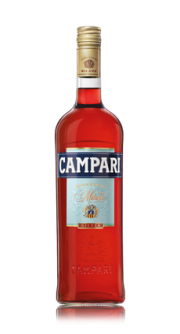
It just looks like serious stuff, doesn't it?

It just looks like serious stuff, doesn't it?

Campari has a stunning package. Launched back in 1861, it stands out on a bar shelf with its intense bright red liquid and a bold, yet traditional-looking label. I have seen Campari so many times, I feel like I should already know what it is about. But you want to know something? I have never consumed it until last week's getaway.

This Italian bitter liqueur made up of fruits, herbs, and other plant life is so versatile; it can be used as an aperitif or as a digestive drink. Campari became popular in the United States during the ridiculous Prohibition Era as it was not classified as alcohol, but as a medicine. Campari and soda became an instant hit, and when sweet vermouth was added to the equation, the Italians called it the Americano. However in 1919 when Count Camillo Negroni asked for a higher octane version of the Americano, he chose gin to replace the club soda and the basis for today's Negroni was born. The Americano was originally garnished with a lemon, but an orange was chosen as the Negroni's garnish simply to signal a differentiation from the Americano.

Hey, man...thanks for inventing an awesome drink!

Hey, man...thanks for inventing an awesome drink!

At the Disney Cruise Line's Skyline Lounge, they served a cocktail called "Il Valentino," which contained Hendrick's gin, Campari, and Antica Formula 1786 Vermouth shaken with ice and strained. This was pretty much a Negroni served without ice in a cocktail glass rather than on the rocks in an Old Fashioned glass. When I tasted Il Valentino, I knew I was ready to embrace the Negroni (which I did when we stopped at The Wave at the Contemprary Resort in Disneyworld before coming home). It was tremendous. With Hendrick's being softer in texture and lighter on juniper than, say, Tanqueray, it does a great job countering the complex, bittersweet flavor of Campari. Antica Formula 1786 has very clean fruity flavors with bitter orange and coffee notes and adds extra depth. Additionally, I can't say enough about possessing quality base ingredients in a cocktail...it makes all the difference in the world between a decent cocktail and an extraordinary one.

Variants of the Negroni substitute the gin for whiskey or Tequila. Some examples might use dry vermouth instead of sweet. However the common link in any version of a Negroni, whether the classic or a variant, is always Campari's neon red color and distinct flavor and aroma.

Here is your recipe to make a classic Negroni at home. There are so many flavors going on, it's hard to describe. You just have to try it for yourself, especially if you are a fan of bitter flavors. It's a new favorite of mine that I can drink at any time of year, before or after a huge meal.

1.5 oz Antica Formula 1786 (or other preferred sweet red vermouth)

1.5 oz Campari

1.5 oz Gin (your choice)

Add all ingredients to an Old Fashioned or Highball glass filled with large ice cubes. Stir and garnish with an orange slice. Drink, fall in love, and eat everything in the fridge.

January 23, 2018 /Tony Ambrosini
Italy, Campari, Bitters, Gin, Vermouth
Classic Cocktails
Comment
If you are looking for points to guide you in selecting wine and spirits, you won't find that on this site. Image credit: Comedy Cake

If you are looking for points to guide you in selecting wine and spirits, you won't find that on this site. Image credit: Comedy Cake

Settling A Score: Why I Don't Give Points For Wine And Spirits

January 10, 2018 by Tony Ambrosini

There is a topic in the alcohol business that generates a lot of discussion and has done so for the last several years. It gets hotly contested and fiercely debated among industry suppliers, marketers, writers, bloggers, and beverage enthusiasts everywhere. Yes, I speak of ratings scales and point systems for wines and spirits.

Remember: one drinker's "Incredible" is another's "Average".

Remember: one drinker's "Incredible" is another's "Average".

Let me start with this: I know we live in a time where quick-hitting, easily digestible information is crucial as we are always busy and value our time. I know giving a wine a point value wraps everything up in a neat package, but good beverages have more going on than a score. There is an interesting story, historical aspect, unusual grape variety, innovative growing method, or a winemaking technique involved. I am doing you a disservice if I am not sharing these distinctive aspects, and a two-digit number doesn't do it justice. I will explain...

My job as a retailer, marketing person, and educator is to provide you with quality, concise information about a product so you can make a decision on whether you want to invest your money in it. Additionally, my job is to put aside my own personal tastes and preference and simply share an experience. Then I comment on the following:

Does the juice taste good? (Anything I list here will be worth seeking out in proper context)

What does it taste like? (If I present you a list of flavors and aromas, you can pick out if you like the whole package or not)

What will it cost you? (Everyone has a budget and this is fair to discuss)

That's what I do here. I need to let you know what is inside the bottle and ask if YOU like what it offers; it doesn't matter if I do. Here is an example: suppose I describe a red wine from southern Italy. I tell you it is full-bodied with ripe berry fruit flavors, smells of wild flowers and finishes with a peppery kick for $17. This is par for the course at Flight School. Now, let's say I award this wine 93 points out of 100. If I do this, I have now put it in your head that you should like this wine.

What if you don't? Perhaps you like your reds a little lighter and leaner, or prefer white wines. No matter what, it is not my job to tell you what you should like. I am not here to make you question yourself in your beverage adventures, but rather give you confidence when you are buying something. I am here to show you a product that you would not have thought to look for on your own or were hesitant to spend money on something you have seen, but were unsure about...not judge you for being put off by any wines and spirits I highlight on this site. Additionally, some of what I discuss here is a personal adventure that is just fun to share. It's how I do business when I help customers at the store, and that's how I do business on this blog.

Do you like pineapples and grapefruit? If not, there is no chance you give this wine 92 points on your own scale. Image credit: Deutsch Family Wines & Spirits

Do you like pineapples and grapefruit? If not, there is no chance you give this wine 92 points on your own scale. Image credit: Deutsch Family Wines & Spirits

Look, point systems from the alcohol publications can be a good thing. If you don't know where to start, it is an easy point of reference to help get you in the right direction. The important thing to keep in mind is that you are following an individual's taste profile that might not line up with yours. Even without my use of a ratings system, there will be some degree of subjectivity based on how I describe a whiskey, or a gin, or a white wine to you. I can admit that, and this is why I have always taken scores (and medals) with a grain of salt.

So instead, I focus on interesting characteristics. Is the wine warming and rich, or light and refreshing? Is the Scotch malty, fruity, or spicy? Does this Cognac retain its delicate aromas despite long aging time? Is the gin a juniper-forward Christmas tree in a glass, or is it a softer New World style? How sweet is the finish on this Port wine? Is the Chardonnay buttery and oaky, or zesty and mouthwatering? These are the types of stylistic aspects that will benefit you the most as you explore what you like, and that's the approach I take when sharing recommendations with you...and a number will not properly convey those qualities to you. In the end, your tastes and preferences are just that: yours.

January 10, 2018 /Tony Ambrosini
Comment
I drank all the whisk(e)y. I have no idea if I am happy to have done so, or sad that it's all gone.

I drank all the whisk(e)y. I have no idea if I am happy to have done so, or sad that it's all gone.

Whiskey Advent Calendar Recap: Picking The Favorite Child

January 08, 2018 by Tony Ambrosini

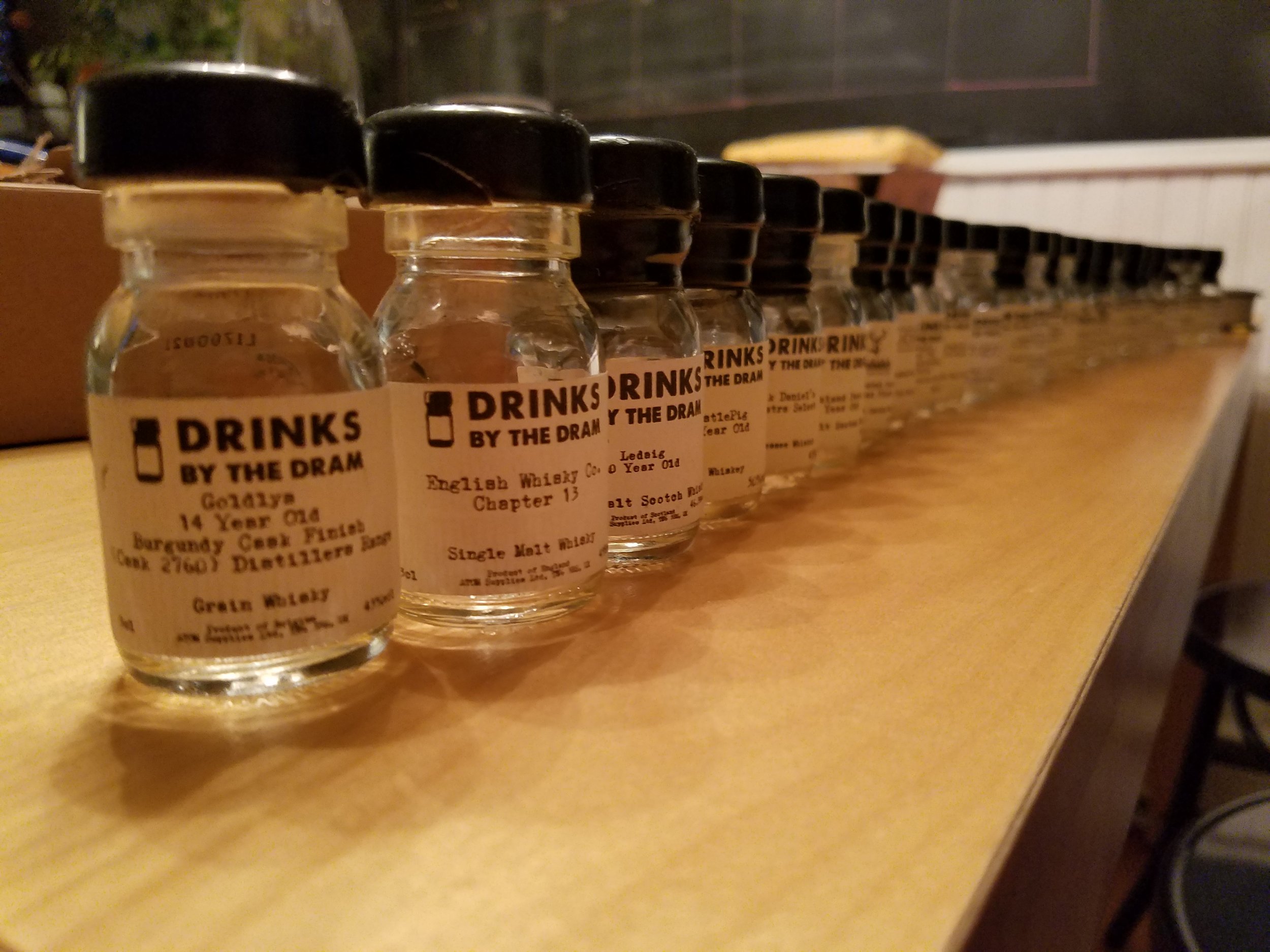
I did it. I made it through the entire Whiskey Advent Calendar that I received as the most unbelievable birthday gift. 24 samples have come and gone, displaying a range of styles from all over the world. There was not a bad one in the bunch, each 30mL sample showing different characteristics. Some were driven by the types of grains used, others by distillation techniques, all with various aging levels. Location of the distillery and warehouse even plays into this, too. I touched on the first four that I opened in the beginning of December before holiday life took over, but now after taking diligent notes and processing everything I can share my thoughts on what I tasted. When I told people about the Advent Calendar, I was often asked, "What has been your favorite?"

Here's how I'll answer that question. Each whiskey brings its own expression to the table: lively or rich, sweet or dry, complex or simple, subtle or forceful. The beauty of all the styles of whiskey out there is that there is a time and a place for all of them and they can all be appreciated when placed in proper context. Some might be better suited for a cocktail rather than enjoying neat with a few drops of water. Others may be comforting and soothing in the winter, while some examples might be lighter and more refreshing in the hot months of summer.

What's my favorite whiskey? It is like trying to pick your favorite child. The Greatest Wife In The World and I have the running joke that our favorite child is the one who sleeps the most at night. My favorite whiskey is the one that is making me happy today. It's all about mood and environment.

So let me share which drams stood out the most. There are several products in the calendar that we have either limited or zero access to in the U.S., and they deserve to be discussed based on their individual merits. However, the whiskies in my top six are all either available in the majority of states or have nationwide distribution. Let's run them down below. Special thanks to the Greatest Wife In The World for going to Master of Malt for an amazing gift.

Honorable Mentions (hard or unable to source in the U.S., but fun to share with you in case you encounter any of these in your travels):

Mackmyra Brukswhisky (approx. $49 via Master of Malt): I wrote of this when I first opened the kit. Even after tasting through the 24 whiskies, the Mackmyra still stands out to me. The combination of delicate floral notes on the nose with red berries and ginger on the palate left a positive mark. We need this here in the states.

Millstone 6 Year Old Dutch Whisky (approx. $62 via Master of Malt): This example from the Zuidam Distillery was a limited release (only 637 bottles were made) and never made it to the U.S. This whisky is malty with banana bread and maple syrup on the palate. On the nose, it's candied walnuts, toffee, and creme brulee. Warm and balanced on the finish. FYI...the Millstone 100 Proof Rye is available in the U.S. if you are looking to try something from this producer.

penderyn-portwood-whisky.jpg

Puni Nova (approx. $62 via Master of Malt): Puni Distillery is located in the far north of Italy, and the young Nova expression has a mash bill of malted barley, malted rye, and malted wheat. Light in color and body, anise, lemons, and cured meats are subtle on the nose. The palate is lively with green herbs and citrus, along a touch of espresso and dark chocolate. Great potential as a summer whiskey or as a base in a cocktail. Puni has some products distributed in California, but it is not widespread yet.

English Whiskey Company Chapter 13 (approx. $90 via Master of Malt): Malt and leather are countered by orange zest and the smell of an old library (just imagine it...you have encountered it before). Dried oranges, malt, and fresh citrus on the palate, which starts off malty and sweet, but finishes lively, spicy, and dry. Origin is St. George's Distillery in Norfolk, England. This was very cool.

Penderyn Welsh Whisky Portwood Finish (approx. $64 via Master of Malt): The Port barrel is noticeable on this killer Welsh whisky from Penderyn. Peach pie, raspberry jam, caramel, and vanilla on the nose. Sweet red and black berries on a rich and full-bodied palate. If you are a fan of Port-finished whisky, then I hope this makes it to the states.

Now for the top six (in no order, all can be had here in the U.S.):

Kavalan ex-Bourbon Oak Single Malt ($115): This Taiwanese producer is gaining a lot of traction in the U.S., with distribution in many states and only gaining a larger footprint. A fragrant whisky with chile peppers, citrus, and an exotic range of savory spices on the nose. On the palate, the spices are there, but finishes like a Bourbon with a vanilla and long toffee-like sweetness. 

teeling-small-batch-whiskey.jpg

Teeling Small Batch Irish Whiskey ($40): Many Irish whiskeys feature unmalted barley, leading to a light and clean profile. Teeling uses a high proportion of malted barley (a la Scotch), and the whiskey spends some time maturing in rum casks. This has a soft and sweet nose, with almond, toasted coconut, apples, and vanilla. On the palate, marshmallows, coconut, pie crust, and chocolate with a full and sweet finish.

The Quiet Man 8 Year Old Single Malt Irish Whiskey ($50): The brand's name comes from the distillery owner's father, who was a bartender in Northern Ireland. For being made from all malted barley, the nose is very clean and fragrant, with floral, citrus, and vanilla cream aromas. On the palate, it is light and gentle with a distinct lemon curd flavor and fresh coconut on the finish. This is incredibly easy to enjoy.

Hudson Manhattan Rye Whiskey ($35): Tuthilltown Spirits in New York's Hudson Valley gives rye whiskey the attention it deserves. Loaded with spicy aromatic intensity, it is like walking into a New York bakery and smelling rye bread. On the palate, it's roasted root vegetables, rosemary, orange peel, nutmeg, and ground black pepper on the finish. At 92 Proof, this is loaded with flavor to make an amazing cocktail. Where's my pastrami sandwich with this?

brenne-french-single-malt-whisky.jpg

Whistlepig 10 Year Vermont Rye ($75): Whistlepig continues to gain accolades with newer expressions rye-based whiskies, and deservedly so. This 10 year example takes a stock of Canadian rye that was destined for blending and instead, Whistlepig aged it, finished it in Bourbon barrel, and bottled it at their Vermont property. This is French toast, dates, and fruitcake on the nose, with candied oranges, scones, maple syrup, and baking spices on the palate. Well worth the spend!

Brenne Cuvée Spéciale French Single Malt ($64): When Cognac and Scotch have a baby, you get Cuvée Spéciale from Brenne. The barley is grown in the Cognac region of France, the whisky matures in French oak, then finishes in Cognac casks. The result is a nose of fruitcake, orange peel, and floral notes. The palate has baked pears, green figs, golden raisins, and a warming vanilla finish. Since I happen to be a Cognac fan, this whisky was right in my wheelhouse.

January 08, 2018 /Tony Ambrosini
Whisky, Whiskey, Rye, Bourbon, Irish, Spirits, Italy, England, Netherlands, France
Comment
How is it that this ancient botanical makes me feel better every time it is infused in my alcohol? There's no medical proof it does, but it works for me every time. Image credit: Grape Tree

How is it that this ancient botanical makes me feel better every time it is infused in my alcohol? There's no medical proof it does, but it works for me every time. Image credit: Grape Tree

Recovering From A 40-Day Blitz, Part II: When Illness Strikes

January 05, 2018 by Tony Ambrosini

After sharing some back-to-basics styles of wines with you earlier this week to recover from the post-holiday overindulgence, let's continue our healing in a different way. Before we continue, here is an important message:

EDITOR'S NOTE: None of what is about to follow is proven to be an aid to your health in any way, with no medical evidence to support these words. This is simply the author sharing an experience that will (hopefully) turn you on to this drink by praising its positive attributes.

There. Now with that out of the way, part two of the recovery around here is not only from the overeating and the overflowing of drink, but rather the vile stomach bug that swiftly ripped through our family on Christmas Eve and Christmas Day. After that, the cold and sinus issues ran rampant, leading to the inability to taste anything whether it was food or beverage. Kind of a rough way to spend the holiday break while Mr. Freeze holds Gotham and the rest of the Eastern U.S. hostage. Fortunately, we always have inventory of an important bar item here, especially during the fall and winter months. It is unique, soothing, and packed with flavor. I'm talking about the anise-based elixir known as Sambuca.

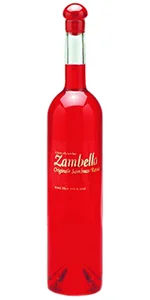
If you encounter this and taste it, please tell me about it!

If you encounter this and taste it, please tell me about it!

Anise-based spirits have a long history that dates back to the later days of the Byzantine Empire (around 1200 A.D.), and these botanical-driven drinks were, as was commonplace with most spirits, created as a way to cure some kind of ailment. This led to products such as Raki (Turkey), Ouzo (Greece), and Absinthe (France) being developed in their respective home countries, all of which have varying levels of star anise, supporting cast botanicals (a seemingly countless range of spices and roots), and residual sugar. Italy's Sambuca, often made in southern areas like Calabria, uses star anise as well, but green anise, fennel, and elderflower enter the equation. In fact, Sambuca takes its name from the Latin "sambucus" meaning "elderberry," reflecting a significant component in this drink that didn't gain commercial following until the 1800s. It is often a clear spirit (white Sambuca), but you can also find black Sambuca (higher elderbush and licorice content) or much to my surprise red Sambuca (a noticeable cinnamon and cherry flavor and aroma).

The most recognizable Sambuca label, and for good reason. It gives you everything you need to understand what Sambuca is all about.

The most recognizable Sambuca label, and for good reason. It gives you everything you need to understand what Sambuca is all about.

So here in the Ambrosini household, we keep Sambuca on-hand for use as was done in ancient times...as "medicine." The Greatest Wife In The World and I don't know what it is about Sambuca, perhaps the elderflower content or anise's digestive ability, but it just seems to attack all the sore spots in our system. Does it have healing powers? I don't know for sure and I am not going to be some quack that says it does, but it seems to work for us.

The traditional Italian way of serving Sambuca is neat with three coffee beans to represent health, wealth, and happiness at the end of a meal. Honestly, it makes for a flavorful sweetener in black coffee or espresso, too...something that is a regular occurrence whenever I visit family back home. So whether you use Sambuca as a digestive or just to make you feel better, here are two for you to try. One is easily available, the other might require an order with your retailer, who can turn it around for you in a day if the distributor has it in stock (and is totally worth it).

caffo sambuca.jpg

Romana Sambuca ($25): This is the most recognizable Sambuca brand in the world and it will be very easy to find in any liquor mart. Pronounced anise flavor, mouthcoating, and noticeably sweet, this is a benchmark product that tastes great in coffee as it does a great job offsetting coffee's bitter properties.

Caffo Sambuca Secolare ($20): For $5 less than the Romana, you will get a Sambuca that is not as sweet with more elderflower content and more forward aromatics. If you can get your hands on this, I highly recommend trying it. This is what is in our bar at all times and what we prefer to drink neat.

January 05, 2018 /Tony Ambrosini
Calabria, Liqueurs, Italy, Raki, Ouzo, Absinthe, Sambuca
Comment
Amen, friends.

Amen, friends.

Recovering from a 40-Day Blitz, Part I

January 03, 2018 by Tony Ambrosini
This could not be more true about me at this stage of my life.

This could not be more true about me at this stage of my life.

Well, here we are. It's 2018, and with the way Thanksgiving landed on the calendar this year, there was roughly one extra week leading up to Christmas Day. That's seven more days of rich foods, dessert after lunch, and holiday parties with friends/family/co-workers (I'm already full just writing that last sentence). Additionally, we blew through our budgets for holiday goodies, picking up gifts for others, a roast, baking supplies, booze...whatever it was, December tends to be a time of indulgence among all the cheer and giving.

Who needs resolutions?

Who needs resolutions?

Some of you are looking to get back to some healthier eating and drinking patterns if you went too hard the past forty days. Perhaps your body is looking for a vegetable or a salad to help get things right, maybe even some seafood. If this is the case and you are also a wine-drinker, we can restock the cellar with some solid everyday white and red wines that pair well with some of these so-called "detox" foods, yet still offer warmth and satisfaction considering that a large swath of the country remains under Old Man Winter's icy grip.

So as I warm up my writing chops for this year, I'll keep things simple. Two white wines and two red wines are listed below to help you get 2018 started right. It's a new year, so get to know a some new grapes while enjoying some old favorites.

cercius.jpg

Michel Gassier Cercius ($12): Costières de Nîmes is an outlying region of the Rhône Valley of France, where the bulk of Gassier's wines are labeled. It is a winemaking region that frequently delivers great value in its red wines, and white wines are incredibly cheap. The Cercius is a non-standard blend of Grenache Blanc and Sauvignon Blanc, offering a great balance of texture, body, and mouthwatering acidity that will work with your salads.

L'Ecole No. 41 Old Vine Chenin Blanc, Columbia Valley ($16): This is a great New World take on a Vouvray (Loire Valley) style of Chenin Blanc. Unoaked and fruit-forward, this is a refreshing Chenin Blanc with passionfruit, citrus, and golden apples on the palate with a pleasant floral aroma and a touch of sweetness on the finish. This is going to be tremendous with some sushi or exotically spiced dishes (Thai or Indian cuisine). 

Georges Duboeuf Beaujolais-Villages ($11): This is a versatile old favorite that is great to keep on-hand when you need a light, fruity red. Bursting with red berry fruit, you can enjoy this with sauteed leafy greens like kale and Swiss chard, but it is light enough in tannin where you can also pair this with fish rich in Omega-3s like salmon (FYI...full-bodied, high tannin reds do not mix well with salmon's Omega-3 compounds, leading to a metallic taste in your mouth).

santacarolina pnr.jpg

Santa Carolina Pinot Noir Reserva, Maule Valley ($11): Chile is quickly establishing itself as a good source of inexpensive Pinot Noir, a grape that can be difficult to find wallet-friendly sources of good wine. The example from Santa Carolina has plenty of cherry fruit with earthy tones and a spicy finish. If you are a fan of mushrooms and bean-based dishes, this is an easy one to grab.

January 03, 2018 /Tony Ambrosini
Rhone Valley, Costieres de Nimes, Sauvignon Blanc, Grenache Blanc, Pinot Noir, Chile, France, Beaujolais, Chenin Blanc, Washington
Comment
new-bingo-sites.png

A New Year Means New Features

December 31, 2017 by Tony Ambrosini

Hello everyone...I hope 2017 was good to you. After the holidays brought illness and frigid weather to the Ambrosini home, I thought it might be time to give a little refreshment to this web site you have been loyally visiting for the past year.

The first item to note is that I have included an Events page, which you can click on at the top menu bar. It's pretty simple...if I know of an exciting event involving booze, I will post it there with as much detail as I have available. Most times, events will reflect what's happening in the local community, but if there is something happening across the country that is an exciting destination I will list it here. Additionally, if you know of something happening in your area that you want the beverage-drinking community to know about, get in touch with me and I can add it to my site.

Next, you will notice a "Site Search" feature. Are you having a hard time remembering that whiskey I wrote about? No problem...go to the Site Search, enter text (such as "whiskey") into the field, then press the enter key, and you will have any mention of whiskey on this blog.

Finally, at the bottom of any page, you will see all the social networks I have connected the blog to. If you want to follow me on Facebook, Instagram, or LinkedIn, simply click any of those icons any you will be directed to my social pages. If you submitted your email address on my "Subscribe" page, you should now finally start receiving my posts in your email box.

I hope everyone has a safe New Year's celebration...cheers to 2018!

December 31, 2017 /Tony Ambrosini
Comment
An amazing gift from an amazing person. I am going to convince you that you need one of these.

An amazing gift from an amazing person. I am going to convince you that you need one of these.

The Whisky Advent Calendar: An Unbelievable Gift

December 05, 2017 by Tony Ambrosini

Later this month, I will celebrate four decades of existence on Earth. I remember seeing these milestone birthdays as a kid, where people received wacky gifts and all of which were attached to being "Over the Hill," or diving into some sort of a mid-life crisis. Now, I can certainly appreciate being of the proper age to wear Tommy Bahama clothing, but The Greatest Wife In The World really stepped up her gift-giving game to meteoric heights that I will never be able to reach. I now have in my possession a Drinks by the Dram Advent Calendar: Whisky Edition, produced by the folks at Masters of Malt.

View fullsize 20171204_102229.jpg
View fullsize 20171204_102305.jpg

Yes, this is a real thing and not some Internet meme or semi-pretend video you keep seeing on social media at this time of year. This is an authentic opportunity to taste 24 unique bottles of ANY SPIRIT, not just whisk(e)y. Are you a rum fan? They have a kit. Cognac? Gin? You name it, they have it. Each of the Advent kits have a 30ml sample for you to try; each bottle is wax sealed so you don't have to worry about leaks during transport. The calendar itself was packaged in a sturdy bubble pack that kept everything intact. There are also other smaller tasting kits that have five or ten 30ml samples that you can enjoy. It seems like Master of Malt has all bases covered. As you can see, I have already begun nerding out and making notes to share with you.

There is the option to customize a box instead of going with the prepackaged selections; The Greatest Wife In The World is doing everything possible to test my education in the subject of whisky, including Scotch, Irish, Japanese, American, and other unusual products from the rest of the world. I may not have tasted everything before, but thus far I have some commercial awareness of the drams behind the windows I have opened. 

Don't worry, non-whisky drinkers...I will not bludgeon you too badly, but what can I say? I'm very excited about this gift. I'm going today's post to four examples. I also know I won't get to a sample each day before Christmas, so I will include what I can to give you a feel for what's in this box. I will include price of each bottle if you were to purchase a full 750ml. Here is the first batch of what I have opened up:

Ledaig 10.jpg

Ledaig 10 Year Old Single Malt Scotch ($57): This is a product of the Tobermory distillery on the Isle of Mull, located right next to the Western Highlands. Ledaig (Led-chig) is the peated label, which takes its name from the 57 acre plot upon which Tobermory was founded back in 1798. This is not very malty, but rather clean and aromatic with green herbs, seaweed and applewood smoke. Briny and smoky on the palate, it finishes with a smoked meat character that becomes rich and savory with additional time.

Highland Park 12 Year old label

Highland Park 12 Year old label

The Highland Park's repackaged 12 Year label, along with the rest of their range, reflects the Norse roots of the distillery's founder. 

The Highland Park's repackaged 12 Year label, along with the rest of their range, reflects the Norse roots of the distillery's founder. 

mackmyra bruks.jpg

Highland Park 12 Year Old Single Malt Scotch ($54): This is, and always will be, my smoky style example of single malt Scotch that I use in my classes. Highland Park uses about 80% unpeated malt and the balance peated with the local Orcadian peat; this leads to smoky-but-floral, delicate whisky on the nose. On the palate, it has citrus and green apples with a little tropical fruit and spice. The peat subsides and gives way to fresh oranges on the finish.

Mackmyra Brukswhisky ($N/A): So here's the rub with this Swedish whisky...there is no US distribution. That's one reason why this was special to taste. The nose is soft, with honey and chamomile tea aroma. On the palate, the whisky is light and lively with red berries, ginger and pepper, while the finish is black licorice. Master of Malt essentially acts as their distribution arm out of the UK, but if you were to order a single 750ml bottle from them, you are looking at about $80 if you factor bottle cost plus shipping cost. Here's hoping we get greater access to their product line.

amrut fusion.jpg

Amrut Fusion Single Malt Whisky ($67): This was an amazing whisky and it hails from India! Where do I begin...the candied oranges, chili powder, and savory-smoky peat, or the rich dried tropical fruits (mango, papaya)? This finishes savory and earthy, though I have to admit that this whisky changed so much with each sip over time. Adding water tempers the fiery peat (and 100 proof alcohol) and lets the fruitiness come through. This is a real treat that has US distribution and provided a great contrast to the Swedish whisky. 

December 05, 2017 /Tony Ambrosini
Scotch, Sweden, India, whisky, Whiskey
Comment
How do you find a wine to go with all of these flavors and textures? Image credit: Country Living

How do you find a wine to go with all of these flavors and textures? Image credit: Country Living

The Obligatory Wines To Go With Thanksgiving Post

November 18, 2017 by Tony Ambrosini

It arrived rather quickly, but those of us who haven't already moved on to Christmas are making preparations for Thanksgiving Day. It's one of my favorite holidays; I get to eat, drink, and watch football in a larger quantity than I would on any autumn Sunday. I love how the air smells; it is filled with all kinds of sweet and savory goodness. It's many of the usual suspects for the majority of us, right? Turkey, stuffing, cranberry sauce, veggies, and pies are typical, but if you aren't a turkey fan, or a meat eater at all, there might be some other items coming out of the oven or perhaps off of a barbecue.

Nevertheless, the blitz of food needs some tasty beverages to help keep everything moving. While I know beer, cocktails, and sippin' spirits are all delicious, the scope of today's post is to help you find some good wine options. With Thanksgiving serving as our first major feast day of the cold weather months, chances are you will be bringing out a ton of different food options, including the ones I mentioned above. So how do you go about choosing a good wine for foods that will taste rich, savory, herbaceous, fruity, and so on? Here is one basic rule of thumb to follow:

Keep it simple.

I know that's a vague statement on my part, but honestly it holds true here. You will have so many aromas, flavors and textures fighting one another on your plate that you need a wine to bring it all together. It should typically be one that has plenty of acidity (to help you digest large volumes of food), straightforward fruitiness, and body (to harmonize everything on the plate). Certain parts of the meal are enhanced even more if the wine has an interesting spice or floral note. On the other end of the spectrum, if you are looking to break out that super-expensive bottle from the cellar, Thanksgiving dinner isn't necessarily the time for that. The high-end wines that have a ton of complex flavors never get the chance to stand out. Save the special bottle for a simple-yet-elegant dinner (you will see what I mean when I do my Christmas post. Trust me, so stay tuned).

Barberani's Castagnolo Orvieto Classico ($21) has distinct sage, thyme, and anise spice to complement the apple and stone fruit of this wine.

Barberani's Castagnolo Orvieto Classico ($21) has distinct sage, thyme, and anise spice to complement the apple and stone fruit of this wine.

For example, Italian wines can have a pleasant herbaceousness or anise spice. Pinot Noir that spends time in French oak imparts a range of baking spices like cinnamon and cloves. Pinot Gris has some body and texture to help stand up to the rich foods, as well as a floral quality. Riesling's strong aromatics and inherent fruity/floral quality makes it versatile enough to play with all parts of the meal. Beaujolais wines are berry-scented and versatile with plenty of acidity to make your mouth water. I mean, even the candy-like Beaujolais Nouveau (which the wine academic types sneer at) is perfect for just staying lubricated during marathon eating sessions. Of course, the easiest fallback option is to grab some sparkling wine, which I acknowledge is "cheating" when it comes to pairing, but what's a feast without bubbles?

Additionally, if you are looking to try something different, look to Sherry or Saké. Dry Sherry has nutty and savory characteristics and is the magic potion for dealing with difficult-to-pair foods like nuts, olives, and green foods. Light and dry Saké does very well with salty snacks and appetizers. For more details on exploring this route, you should go visit my friend The Passionate Foodie, who has great ideas on how to approach these two wine styles with Thanksgiving dinner.

So let's get to some recommendations! These are all well-made wines from producers who I respect. I hope you seek some of these out and give them a try.

unnamed.jpg

Domaine de la Prebende Beaujolais ($15): Fermented in both stainless steel and concrete tanks, this is a fruity red wine that will give you the versatility you need, with that touch of sweet spice that makes this wine feel like fall in a glass.

Willamette Valley Vineyards "Whole Cluster" Pinot Noir ($24): This is a wine that gives you the fruitiness of a Beaujolais wine plus a range of earthy spice and coffee that Oregon Pinot Noir can provide. Willamette Valley Vineyards ferments whole bunches of grapes, using the carbonic maceration method that is popular in the Beaujolais region. A different expression of Pinot Noir that will do its duty at the dinner table.

hillersden.jpg

Hillersden Marlborough Pinot Gris ($18): New Zealand has become overwhelmingly well-known for its distinct Sauvignon Blancs, but let's also get to know their other wines! Here is a copper-hued Pinot Gris from vines that reached optimal maturity for producing quality wine. Citrus and stone fruit flavors dominate, with brief "sur-lie" aging to round out the texture and counteract the acidity. Very clean and refreshing.

bove touraine spk.jpg

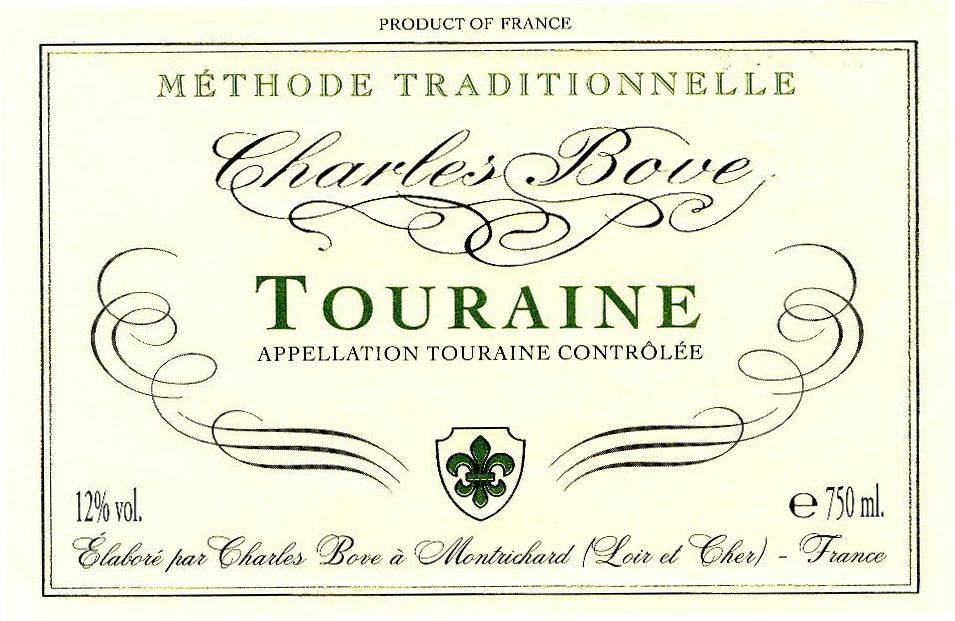
Charles Bove Touraine Sparkling Rosé ($19): You can always go with a Cava or a Prosecco for something simple and bubbly, but lets go with something pink. This is 70% Cabernet Franc, 30% Gamay...and 100% awesome. The combination of aromatics and fruit marries so well with the 18 months lees aging, giving you a sparkler that gives you a great feel for traditional method wines in the Loire Valley. Fresh, fruity, and bone-dry, this is one to enjoy all day long.

costiolo.jpg

Conte Vistarino Sangue di Giuda Costiolo, ($19): Don't forget about dessert! Literally translating to "Blood of Judas," this sweet wine is a specialty of the Oltrepo Pavese region of Lombardy. This is a blend of Barbera, Croatina, and Uva Rara, all plentifully found in this growing zone of Italy. Think of this as a lighter Port wine, where the alcohol is far lower at around 7% abv. This is a very lively wine with plenty of acidity, bursting with berry fruit, finishing clean and without a sticky, cloying sensation. Give it a shot with an apple-cranberry or blueberry pie!

November 18, 2017 /Tony Ambrosini
Orvieto, Beaujolais, Pinot Noir, Pinot Gris, Oregon, New Zealand, Sangue di Giuda, Italy, Umbria, Lombardy, Loire Valley, Sparkling Wine
Comment
Do you like to drink with this stuff? Image credit: Business Insider

Do you like to drink with this stuff? Image credit: Business Insider

The Obligatory Wine With Halloween Candy Post

October 30, 2017 by Tony Ambrosini

It's that time of year! Get ready for (if you haven't seen them yet) the blitz of articles about pairing wine and other booze with Halloween candy.

Before I get into the meat of this topic, let me start with this: Halloween is quite the production in my neighborhood. Everyone around here understands we have a window of time to celebrate and generally just have a good time. When it's done, it's done; people have jobs to get to and life to deal with the next day. During that time, however, the neighborhood has fire pits and music. Some houses have some tasty beverages for the adults to sample while kids get the traditional range of "fun size" candies, along with a sprinkling of full-size confections from the really awesome houses.

So whether you end up enjoying Halloween with the neighborhood for a few hours, or end up coming back from trick-or-treating with the kids to knock down a beverage or two, there's always one thing to remember if you are going to pair your booze of choice with candy:

Make sure your drink is (or seems) sweeter than the candy you are eating.

I can't stress that point enough. Dry wines and light beers are going to taste very thin and harsh with just about any type of candy, whether it is fruit flavored, chocolatey, peanut buttery, or anything else. Sorry, Sauvignon Blanc, Pinot Grigio, and many Italian white wines...you are out. IPAs and (Insert macrobrew here) Lite? So are you. High-tannin or light-bodied red wines? Brutal. Your beer and wine will just taste astringent and tart. These are all mighty fine adult beverages and I love them all...just not today.

However, there are some ways to get around this rule of thumb when it comes to drinking with candy, especially if you just don't like sweet wine or other alcoholic beverages. Sometimes playing around with flavor composition, illusions of sweetness, and texture can help make a pairing work.

Less than an hour away from home, Two Roads has always delivered on just about any beer I have had from them. The Oktoberfest is no different.

Less than an hour away from home, Two Roads has always delivered on just about any beer I have had from them. The Oktoberfest is no different.

Let's start with the beer-drinkers. While most beers aren't necessarily sweet, there is a component of a brew that can give you the impression of sweetness on your palate: malt. That's right...most malty beers feel full-bodied and creamy with a caramel/chocolate/toffee flavor profile. These are all the aspects of a malty beer that can play nicely with your Twix, Kit-Kats, and Butterfingers. Newcastle Brown Ale and other English Brown Ales work nicely with these candies. Additionally, go for what is readily available at this time of year: Oktoberfest/Märzen style beers. These are a little lighter and not quite as malty as a Brown Ale, but has some of the sweet fall baking spice notes. Whether you go with the ubiquitous-but-steady Sam Adams or a local craft brewery, you can't go wrong (assuming you like the style, of course). If you prefer to steal the fruity candies like Starbursts and Skittles from your kids, try a Fruit Lambic; Lindemans tends to be the most readily available of this style and finishes sweeter than other producers.

butter chardonnay.jpg

Now, what do we do about wine? If you are not a sweet wine lover, then we need to find wines that are full-bodied, fruity, and assertive. Oaked Chardonnay does the trick with the bold, tropical fruit flavor, butterscotch and cream (the byproduct of malolactic fermentation), and sweet spices. Look no further than the outwardly named "Butter" by JaM Cellars. It's going to have all of that for about $15. Great for popping the candy corns or even milk chocolate.

Fruit-forward, full-bodied reds can work wonders with candy.

Fruit-forward, full-bodied reds can work wonders with candy.

For a "dry" red, Australian Shiraz and California Zinfandel can be so ripe, full-bodied, and jammy, the wines will leave you with a sweet sensation on the finish. Yalumba Y Series Shiraz ($15) or Bogle's Old Vine Zinfandel ($10) keeps things simple and straightforward. The red fruit bomb that is the Zinfandel and the raisiny/figgy/peppery character of the Shiraz will each give you what you need for dark chocolate candy.

A little off the beaten path, but worth trying if you find it. Alvear offers terrific value with all of their products.

A little off the beaten path, but worth trying if you find it. Alvear offers terrific value with all of their products.

For the sweet wines, Port and dark chocolate has long been an essential pairing; the complexity of each feeds off of one another. You can also consider the syrupy, chocolatey, and mouthcoating Pedro Ximinez ("PX") Sherries; PX can be poured over ice cream for some serious indulgence if rummaging through Halloween candy isn't good enough. It will just overwhelm any confection you throw at it, though it will play well with a Snickers or Reese's since Sherry generally has a nutty character to it. Bodegas Alvear's Solera Cream ($18) is made with 100% PX grapes in the region of Montilla-Moriles, a production area more inland with a hotter climate than the traditional Sherry regions. As a result, the wines are less expensive.

We haven't touched on enough wine to drink with your fruity candies. Go big or go home, I say, with the Hungarian sweet wine known as Tokaji [toe-KYE]. Royal Tokaji Wine Company Red Label Tokaji is peachy, citrusy, and full of honey. There is always Ice Wine from Canada, the Finger Lakes, and Austria that are delicate, fruity, and sweet, but with plenty of acid to prevent the wine from feeling sticky sweet on your palate. Inniskillin is a well-known Canadian producer as is Nigl of Austria. If you are willing to spend $40 for a 500mL bottle, dive in (then save whatever is left in the bottle to enjoy with fruit tarts and cakes on a later date).

A mere ounce of this stuff instantly boosts the flavor of any beverage. Feel free to go inexpensive on the vodka. I won't tell.

A mere ounce of this stuff instantly boosts the flavor of any beverage. Feel free to go inexpensive on the vodka. I won't tell.

Now, what if you are into spirits? Well, one of the easiest things you can do is hook yourself up with a flavored vodka of choice, mix with lemonade, and be on your way to gorging on Skittles, Sour Patch Kids, Jolly Ranchers, and Gummi Bears/Worms/Other Creatures. One concoction we enjoy in the summer is blueberry vodka with lemonade, and honestly you can get away with that year round. Or, grab the magic Cognac and raspberry liqueur known as Chambord ($35-ish) and add that to your flavored vodka. No Twizzler stands a chance.

Here are some others you can work with as well in the spirits department: Bailey's Irish Cream and a Milky Way, El Dorado 12 Year Rum with any caramel candy (or even those banana Laffy Taffy things), and Champagne and pretzels (there will be pretzels in the candy bag, I promise you...and that's a good reason to drink Champagne).

Hey, have fun with this. I have seen some posts out there on the topic that give zero explanation as to why any of the pairings work. Hopefully, I make some sense with my line of thinking, but I would also love to hear what you enjoy with the Halloween haul. Just remember this: alcohol and sugar dehydrate you. Consume both for long periods of time without some water or other food in-between shoveling in the sweets can lead to some wretched hangovers. Enjoy the evening in moderation and, of course, be safe!

October 30, 2017 /Tony Ambrosini
Beer, Icewine, Champagne, Italy, Cognac, Rum, Liqueurs, Sherry, Pedro Ximenez, Port, Spain, Vodka, Chardonnay, Shiraz, Zinfandel, Tokaji, Hungary, California, Australia, Austria
Comment
Limited in space or on dollars? Don't let that stop you from stocking your home bar! Image credit: The Cocktail Project

Limited in space or on dollars? Don't let that stop you from stocking your home bar! Image credit: The Cocktail Project

Build Your Bar: A Dozen Essentials Help You To Get Started

October 25, 2017 by Tony Ambrosini

As much as I love to dive into wine, distilled spirits has dominated my beverage landscape as of late; it comes with the territory of running classes in this category at the store. As a result, I have managed to build up a bit of inventory in my home bar over the past year, all while understanding some of the differences among the huge range of options available to us all.

For those of you who are attempting to build your own inventory, my guess is there are mixed feelings out there. There is the camp of people who have brands they love and will always go to with ease, while others don't know what to seek out and spend hard-earned money on. It can be difficult for the latter group; you want to have a complete set of bar staples for guests or mixing cocktails, but you may not be sure what to drop $20-$40 on that will deliver for you.

Wine lovers, you may remember when we built a case of wine together that goes easy on the wallet; our task was to keep the case to $120-$150. If you were to buy the spirit essentials you need, you will easily spend more since the average price per bottle of quality spirits are high than it is for wine. Fortunately, you can do this for about $250. That's right...a full bar that gives you versatility, enjoyment, and outstanding value for roughly twice what we paid to get the wine inventory started.

Let's do this thing. I find that as long as you have one of each of the following spirits/mixers, you can make most classic cocktails, plus give yourself some things to sip straight if you like. In no particular order: Blended Scotch Whisky, Bourbon Whiskey, gin, rum, vodka, Tequila, Cognac, sweet vermouth, dry vermouth, orange liqueur, bitters, and tonic water. Yes, I know tonic water is non-alcoholic, but there are some great artisanal options for you to choose from these days and can be a major component in cocktails. Pick up some lemons, limes, and a small bottle of hot sauce, and you are in business.

Now for specifics on the Big Twelve bar essentials. You will be able to get away with spending no more than $35 on any of these bottles. These are all solid. Please note that spirits pricing can fluctuate depending on where you live, how much your retailer can buy to keep costs down, or depending on whether a category is generally trending up or down.

For your whisk(e)y:

Famous Grouse or Johnnie Walker Black Label blended Scotch whisky ($35 ea.)

famous grouse.jpg

If you are a fan of the Rob Roy or Rusty Nail, then you need some good blended Scotch whisky. Alternatively, each option can be enjoyed as-is. For my fellow Scotch nerds and newbies alike, Famous Grouse is a blend made from the malt whisky of Macallan and Highland Park, two distilleries owned by the same company as Famouse Grouse: The Edrington Group. The red grouse on the label is Scotland's national game bird, and Famous Grouse is the top selling blended Scotch in Scotland. This is gentle and well-balanced.

Johnnie Walker is the top selling blended Scotch in the United States and worldwide, with 40 different whiskies making up the blend. The peated portion of the whisky comes from Caol Ila and Talisker, and all whiskies used in the blend were aged at least 12 years. Johnnie Walker is notably smokier than Famous Grouse. Despite Scotch being incredibly popular with prices on the rise, both Famous Grouse and Johnnie Walker Black remain solid values and you can't go wrong with either.

Bulleit or Larceny Bourbon Whiskey ($28 ea.)

larceny.jpg

I once again present two options. When it comes to Bourbon, there are two fairly distinct groups: low-rye and high-rye. Consider this to be similar in a way to peated or unpeated Scotch. The higher the rye content, the more aromatic and assertive its flavors will be. Less rye means corn's soft texture and sweetness will come out.

Bulleit has a citrusy and spicy character, and bottled at 90 proof, it can withstand the addition of other ingredients that will tamp down some of the rye in your Old Fashioned or Manhattan. Larceny, a new product getting a lot of play out on the market has not only a lower rye profile, but also some wheat, making for a gentler Bourbon. Larceny has more of a honeyed, toffee-like character that is definitely suited for sipping.

For your brandy:

Camus VS Cognac ($30)

Hennessy is very popular, and has the skyrocketing price to match. I know it wasn't that long ago that I wrote about it, but it should be a bar staple.

For your Tequila:

Cazadores Silver ($25)

Am I being lazy? Maybe, but again it will deliver on the price for you as I wrote in my classic cocktails post on Margaritas.

For your rum:

Plantation 3 Stars White Rum ($20)

plantation 3star.jpg

Created by well-respected Cognac producer Maison Ferrand, Plantation 3 Stars is made up of rums from Trinidad, Barbados, and Jamaica. Some components from Jamaica and Trinidad are aged, while other Jamaican components and Barbados are unaged. Ferrand uses a "proprietary filtration process" to strip out color from barrel aging without stripping away flavor (which can happen in many instances with charcoal filtration). The result is a full-bodied and complex white rum that you can mix or drink straight with a little chill on it. This is one of the best bargains I have seen in any spirit category and is worth the extra $3-$5 over the better-known Bacardi.

For your Vodka:

titos.jpg

Tito's Handmade Vodka ($23)

Tito Beveridge (a name that seems destined to be in this industry) created this Texas-based pot-distilled vodka that is now the top-selling spirits brand in the United States. Pot-distilled vodkas have some body to them (a la Ketel One), making this a vodka you could sip neat if well-chilled. I can also testify that this made a killer base for a Bloody Mary during a football tailgate party! Despite the brand's overwhelming success, Tito's is still very reasonably priced.

For your Gin:

Gordon's London Dry Gin ($20)

For the traditional, juniper-forward gin drinkers out there, this should fall right in your strike zone. Tanqueray is another option as well, which is bottled at a higher proof (great for not losing delicate citrus and floral aromas/flavor when mixing cocktails), but you may spend a few more dollars. Gordon's is the top selling gin brand in the world with its mass appeal and easy mixability.

For your vermouth:

Martini & Rossi Sweet ($11) and Dry ($11) Vermouth

There's no need to get too fancy here. If you are on a limited budget, the M&R products are the way to go. They do the job just fine when you are getting started. Sweet vermouth works for your Negroni, Manhattan, and Rob Roy, while the dry vermouth will mix fine with your Martini or act as a flavor-booster in your cooking (a fine addition in Carbonara pasta, for the record).

For your orange liqueur:

Agavero Orange ($23) or Caffo Solara Triple Orange ($25)

caffosolara.jpg

This comes down to what you like to do with your cocktails. If you are REALLY into Margaritas, the Agavero is a Tequila-based orange liqueur that meshes nicely with Tequila (thanks, Captain Obvious!), also costing you less than the Patron version. If you seek versatility in cocktails, where many of them call for triple sec/orange liqueur, the Caffo from Italy gives you good, fiery orangey flavor. As a reference point, Cointreau (as much as I adore it) hits the $30 mark in some markets. Again, we are seeking value, so either of these will do a solid job for you.

Additional mixers:

Angostura Bitters ($6)

This is a staple that can't be overlooked. Yes, it is everywhere and readily available, but for good reason. It is solid. As you continue progressing in building your inventory, we can talk about that...and we will (how's that for a tease?)!

Fever Tree Tonic ($6/4-pack)

Here's your "splurge" product. I can't say enough about the clean flavors Fever Tree provides. Aside from the flagship tonic, they have flavored versions such as lemon and elderflower that will add extra depth of flavor to your Gin (or Vodka) & Tonic. Don't believe me? Taste Fever Tree alongside Schweppe's or Canada Dry and you will become a convert!

So there it is! This is an outstanding starting point for building up your personal bar. These twelve items will help you get the ball rolling and serve as your baseline for branching out...and we will cover that sooner than later!

October 25, 2017 /Tony Ambrosini
Spirits, Cognac, Bourbon, Scotch, Vermouth, Rum, Tequila, Gin, Vodka, Liqueurs
1 Comment
signorello.jpg
fire signorello.jpg

Grapegrowing and Winemaking is a Hazardous Passion

October 17, 2017 by Tony Ambrosini

A before and after of Signorello Vineyards in Napa. The winery was destroyed by wildfires, but fortunately it sounds like vineyards are intact (Image credit: Suzanne Espinosa/Twitter)

I will admit that I have lived the month of October with tunnel vision. I often forget how loaded my fall schedule gets, both personally and professionally. However, global catastrophic natural disasters are difficult to ignore. It has been a busy hurricane season, where Puerto Rico and the Gulf Coast regions and have been hit hard and are still recovering. There have been devastating earthquakes in Mexico. Then there are the raging California wildfires that are ripped through the heart of wine country in Napa, Sonoma, and Mendocino, and new blazes started to the south in the Santa Cruz Mountains area.

From the viewpoint of the wine drinker, this is really difficult news to hear. Some of us have visited Napa Valley or the Russian River Valley, taken tours of wineries, and enjoyed the romantic, peaceful landscapes of the manicured vineyards. We have made mental and emotional connections to these places, so when we read about a winery being decimated or fields on fire it hurts a little.

Now...take that unsettled feeling you have and multiply it by 100 or 1,000, and you can feel the same way a winery owner does. Or a vineyard worker. Or a tasting room manager.

Frosted grapes: great for some, terrible for many.

Frosted grapes: great for some, terrible for many.

Sometimes, we take things for granted when we go pick up that California red blend in our local wine shop. Remember, it is an agricultural product that we enjoy. Grapevines are subjected to a range of weather conditions (wet, dry, cold, hot, sunny, windy); some grapes are built for excessive heat (Grenache) or cooler tempratures (Riesling), others aren't. Rain close to harvest time can lead to diluted grapes and humid conditions can lead to moldy grapes. Springtime frosts can damage tender shoots and buds that have yet to become grapes. Early fall frosts can kill off leaves that are necessary for photosynthesis to help grapes fully ripen. The vineyard manager will watch weather reports religiously to make a decision on when to pick grapes. Even during harvest time, making sure grapes are picked in cooler temperatures is paramount to preserving a grape's refreshing acids and preventing early oxidation.

The evil little monster that destroys vineyards: Phylloxera

The evil little monster that destroys vineyards: Phylloxera

Vineyards are also subjected to a variety of pests and diseases. Phylloxera is the most infamous in history; it is a louse that feeds on a vine's roots and slowly kills it. The Great French Wine Blight happened in the mid-1800s thanks to these evil little SOBs. 40% of French vineyards were wiped out, crushing the economy. This led to an important discovery that French vines could be grafted onto American roots to resist phylloxera's attacks. Vineyard owners also have to deal with birds and other animals trying to eat ripe grapes.

You also have other specialty producers who need perfect or near-perfect conditions to make the wines they want to. Champagne producers want less-ripe grapes, since the high acidity in those grapes is essential in quality sparkling winemaking. Icewine producers need frozen grapes on the vines; if they don't get that, no Icewine is made. Same goes for Sauternes, the nobly rotten sweet wine region. Sauternes needs consistent cool morning mists followed by warm dry afternoons in the fall to create the environment for a benevolent mold to set into healthy grapes, which concentrates sugars. If Sauternes doesn't get this defined weather pattern, no Sauternes wine is made. If the weather is too damp for several days, the bad mold can set in. Grapes have to be discarded and the harvest is lost.

I didn't want my first post in two weeks to paint this doom and gloom picture, but the truth is that there is a lot riding on natural conditions for vineyards and wineries to have a successful vintage. There is so much to account for and some of it is completely out of a winery's control. It's a constant battle to fight pests and disease. When large-scale events like wildfires enter the picture, the situation becomes so much more stressful for the wine producer. Fortunately, over 99% of the harvests were completed prior to the outbreak of the fires, and by the way...don't let anyone tell you the 2017 harvest is tainted by smoke getting into the grapes. Your wine will be fine when it gets to the bottle.

So today, I ask you to grab a bottle of California wine and enjoy it as a way to support the folks working hard while dealing with a massive amount of chaos. Not a wine person? Try some Texas whiskey, Florida microbrew, or Puerto Rico rum. If anyone is looking for another way to help California wine country get back on its feet, my colleagues at SevenFifty have set up a GoFundMe page. Here's hoping recovery happens sooner rather than later.

October 17, 2017 /Tony Ambrosini
California, Napa, Sonoma, Mendocino
Comment
It's time to majestically discuss and drink single malt Scotch. Image credit: The Daily Record (UK)

It's time to majestically discuss and drink single malt Scotch. Image credit: The Daily Record (UK)

The Waves Of Whisky Have Hit Me Hard

September 29, 2017 by Tony Ambrosini in Education

It amazes me how fast the switch flips from the slower-paced summer months to the breakneck speed of September. It's not just school year adjustments, but all the fall extracurricular activity quickly spikes up. Additionally, my life as a professional drinker means there is less time for actual drinking and more time spent running classes and promoting events. Along with that, just staying current with the world of adult beverages by reading up on certain topics or even meeting with folks in the industry can present a different set of challenges. Fortunately, the start of autumn led me to a whole lot of time spent studying, learning, presenting, and even tasting whisky.

What can I say...of all the beautiful spirits available, I can't help but profess my love of distilled grains. I have so many choices to get cozy with, and with so many options at our disposal, there is bound to be one you like...even if you claim to not like whisky. This theory could easily be put to the test based on my Mastering Single Malts series that I am leading at Divine Wine. Last Thursday night, we spent a session covering all of Scotland's regions of whisky production. In the class, we discussed the stylistic differences and how flavor and aroma are impact by techniques used in each of the region's distilleries. We also covered environmental differences, such as a distillery's proximity to the coastline, water and peat sources, and so much more. 

If you need a reminder, the term "single malt Scotch" refers to a single distillery's whisky produced from 100% malted barley and aged at least three years in old oak barrels. All aspects of production must take place in Scotland. To think that this is all you need to follow to call your product single malt Scotch, how do we end up with a gigantic range of selections with different styles, quality levels, and price points?

We had an interesting lesson, even some debate, as to whether it is a region or an individual distillery's character that dictates a style of single malt Scotch whisky. Typically, the regions have been lumped into certain "flavor camps" over the years, but honestly you can have a heavily peated Highland whisky or an unpeated Islay whisky. It all comes down to identifying a "house style," which is a flavor expectation each time you sip your dram. Along the same lines, a Champagne producer will have an identifyable style every time you taste its sparkling wine. The distilleries and Champagne houses are building unique brands.

Image credit: Ace Spirits

Image credit: Ace Spirits

For your reference, here are the regions we are dealing with when it comes to Scotch, and what their whisky typically tastes like.

Speyside: the highest concentration of distilleries are located in this subsection of the Highlands. Lots of water sources and and variations in the landscape lead to a wide range of styles, but generally speaking Speyside Scotch can show up either fruity or malty. Southern Speyside tends to have softer, lighter flavors.

Lowlands: Gained a reputation for lighter, more delicate spirits as this was a center of grain/blended Scotch production. Single malts evolved this way, too, and the Lowlands should be given plenty of respect for its fragrant maltiness.

Highlands: A large physical geography with many variations. Coastal distilleries feel the salt air, particularly in the Western Highlands, leading to rich and briny whiskies. Southern Highlands show more "green" flavors with delicate aromas. Eastern Highland Scotch has a lot of flavor and structure, meaning they can stand up to long aging. The Northern Highlands are fruity and full-bodied. This is a region where possibly more than any it pays to get to know the individual distilleries when searching for a style you like.

Islay (EYE-lah): An ancient island where peat dominates thanks to it being a traditional fuel (as opposed to the mainland having access to coal). Scotch whisky is generally bold and fiery from here. This is Scotch for the IPA beer-lover thanks to its assertiveness.

Islands: Technically part of the Highlands, whiskies can be similar to Islay in style as peat is often used, but not all the time. Salty, seaweed flavors are noticeable, and peat (particular from the northern Islands of Orkney and Skye) is less aggressive, but smoky. Other islands, like Jura, or fragrant and piney without being peaty. There is no uniform style for an "island" whisky, but each island has distinct character. 

Campbeltown: Located on a peninsula, this town was once a major hub of malt whisky production before a high number of distilleries closed due to lack of demand for their heavy, oily, complex whiskies. Today, the few distilleries remaining have carved out a niche with an old-school, rich pre-Prohibition style.

That's what you are dealing with in a nutshell and is a great starting point for you when you explore the regions of Scotland. If you still need a starting point to work off of, here is what we tasted last week! These are all considered flagship products that are typical of each distillery's style. There is something for everyone in this range of products.

Here is the lineup from the regional session of the Scotch class! Details below...

Here is the lineup from the regional session of the Scotch class! Details below...

Glenlivet 12 Year Old, Speyside: This is the top-selling single malt in the U.S., and I can understand why. It is gentle, soft, lightly fruity with green apple flavors, and it has a floral fragrance that makes this easy to enjoy. It's an easy one to keep in your bar.

Cragganmore 12 Year Old, Speyside: This hits the other end of the spectrum for Speyside malts, with rich, nutty flavors. Each time you stick your nose in the glass, you smell something new. Berries, pears, herbs, and walnuts all show up in this dram and has a long, lingering finish.

Auchentoshan 12 Year Old, Lowlands: Citrusy with breakfast cereal/baked oatmeal flavors. Vanilla, ginger, and nutmeg make this whisky taste like fall in a glass.

Dalmore 12 Year Old, Northern Highlands: Rich and full-bodied with dried fruit flavors (figs, dates) and candied oranges. With sherry casks involved, you can taste the nutty, saline flavors on the finish, but still wrapped up in the dried fruit flavor.

Springbank 10 Year Old, Campbeltown: Oily texture but intensely aromatic. It has a delicate texture with pears and apples, but also has a smoky maltiness on the palate. Finishes like apple pie after the smoke subsides. This is almost like drinking all of the regions in one glass.

Lagavulin 16 Year Old, Islay: Bold, fiery and intense, Lagavulin is a bonfire on the beach, with salty, almost bacony flavors. When you taste the whisky a second time, there is tropical fruit flavor underneath all the peat smoke. One to drink in front of a roaring fire.


September 29, 2017 /Tony Ambrosini
Whisky, Scotch
Education
Comment
West-Front_Monticello-JLooney-26aug2013-0056_work.jpg
Front RMS.jpg

What You Are Drinking For NFL Week 3

September 20, 2017 by Tony Ambrosini in NFL Drinking Schedule

What the heck does a California middle school and Thomas Jefferson's estate have to do with football? This isn't a flashback to my history class, is it?

Let me be honest...getting adjusted to the back-to-school routine has been difficult. The combination of that plus some other classes I am working on at the store are taking up a good portion of my time. That being said, I have no excuse for not continuing to share how you can drink well when you have the window to enjoy an adult beverage. Fortunately, the football season helps write the script for me, and this week we have any easy inroad to include wine! Sunday night's matchup features the Oakland Raiders and the Washington Redskins; each city is a reasonable drive to several quality vineyards in Northern California and throughout Virginia (yes, I realize the Washington stadium is in Maryland, but whatever. It's my site).

Look, we can go to so many wineries for our choice to represent the Raiders, but understand something about this franchise. Late owner Al Davis always did things his way, and one of the things he had established in 1996 was to hold his team's summer training camp in Napa, Redwood Middle School to be exact. Yes, this is the same Napa where pristine, well-manicured vineyards that produce some of the most opulent and rich styles of wine found anywhere on earth are located. This brings me to a visit I took for my work-study trip after claiming my WSET Diploma. I never actually made a recommendation on what to taste from Cuvaison, which was one of my two winery visits. It is not easy to do, especially when my visit involved tasting a lot of different clones of Pinot Noir and Chardonnay (which led to the different cuvées that are now the finished wines available to you for purchase) inside of a brand-spanking new facility. The options are all solid. In the end, if you have a chance to get your hands on a Cuvaison Chardonnay or Pinot Noir, you are getting a shimmering New World example of pure fruit meeting intelligent use of barrel-aging, where the wine is not overwhelmed by oakiness and woodiness.

Virginia may not be well-known nationally along the lines of the west coast regions or even New York's Finger Lakes. However, the next batch of states that includes serious winemaking and viticulture know-how includes Virginia. Need proof? You can visit any of the 17 wine trails and have yourself a very good time. But for our purposes, it is difficult to discuss wine, especially Virginian wine, without including Thomas Jefferson. Jefferson was a wine-lover and President George Washington's Secretary of State. Prior to that role, he was a Minister to France; his trips to Europe opened his eyes to the world of wine, becoming quite knowledgeable to the point where he took such comprehensive notes and purchased so many wines to bring back to the United States, he helped build the President's wine cellar. Jefferson also had the dream to grow European grape varieties (the popular ones we all know and love) in the Eastern U.S. The goal never panned out before his passing, but today the Monticello wine trail might be the heartbeat of Virginia wine with the state's most popular winery of Barboursville leading the way. There is a great story on how a multi-generation Italian wine family left a lasting impact on this property's fortunes in the wine industry.

So today will be one of the few weeks I can make straight wine recommendations. No beer. No whiskey. Just great-tasting adult grape juice. Enjoy what should be another entertaining game along the lines of last week!

bbv viognier.png

Cuvaison Spire Carneros Pinot Noir ($55): Carneros is one of the cooler parts of the North Coast, with fog and mist that can linger until lunchtime, before giving way to warmth and abundant sunshine. The Spire Pinot Noir offers a foil to the brute force of a football game with elegance, liveliness, and ripe fruit. All of the berry fruits are in this wine, with baking spices and a touch of cola and smoke. It will give your senses something to focus on during the commercial breaks.

Barboursville Viognier ($22): No barrels. No malolactic fermentation (the process leading to buttery/butterscotch flavors in wine). Just pure fruit expression of the aromatic white Rhône variety, with some aging on the lees to add a layer of complexity akin to fresh baked bread. With Viognier's apricot, tropical, and floral aromas, this is a great example of what Virginia is capable of and it is totally worth the price tag. Drinking this wine is like enjoying jam and bread...really easy.

September 20, 2017 /Tony Ambrosini
Napa, Carneros, Virginia, California
NFL Drinking Schedule
Comment
  • Newer
  • Older

Powered by Squarespace